If you are currently planning to build a SaaS product in 2026, the first question is usually about cost. SaaS development is a serious investment, and unclear budgeting can lead to a lot of problems down the line. This includes delays and technical compromises.
In 2026, SaaS development cost isn’t just about coding hours. It depends on product complexity, architecture choices, security requirements, AI integration, scalability goals, and long-term vision. It’s a strategic decision.
What are the SaaS Development Costs in 2026?
Modern SaaS pricing is calculated by deep technical factors such as system architecture and data complexity with automation logic, as well as third-party integrations and security layers. Here’s a general cost breakdown according to size and complexity:
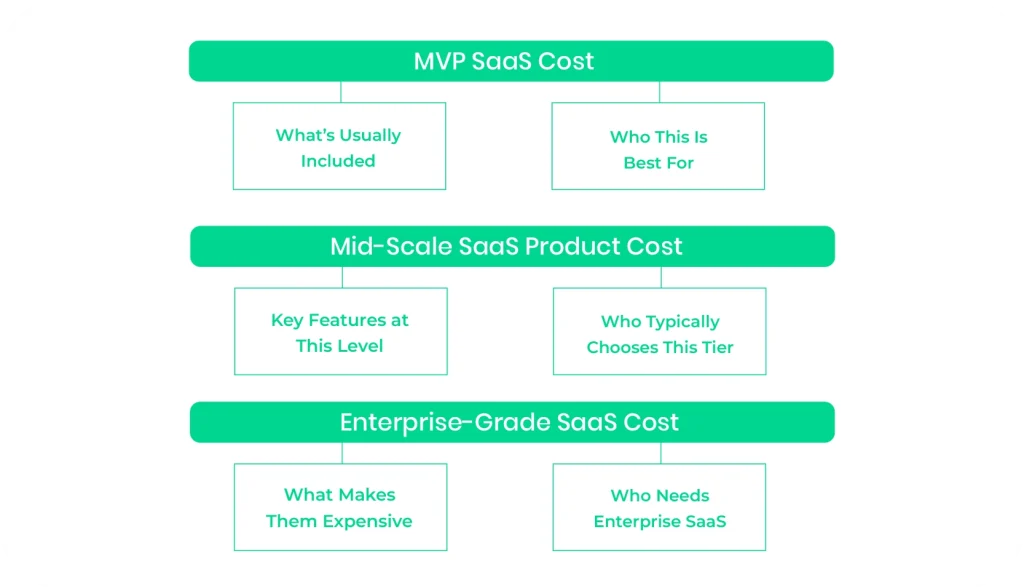
MVP SaaS Cost
An MVP SaaS product typically falls between $20,000 and $60,000, though very simple concepts may cost slightly less, and feature-heavy MVPs can exceed that range.
What’s Usually Included
At this stage, the goal isn’t to impress users with dozens of features. The goal is to test whether your idea actually works in the market. Most MVP SaaS platforms include core user authentication, a simple dashboard, basic database structure, and one primary workflow that demonstrates the product’s value.
Design is usually clean but minimal, integrations are limited, and automation is basic. This keeps the development lean and ensures the product can launch quickly without unnecessary delays.
Who This Is Best For
MVP development is ideal for startups and businesses entering new markets. Instead of investing heavily in the beginning, they launch a simplified version and improve the product based on actual usage data.
Mid-Scale SaaS Product Cost
A mid-scale SaaS product usually costs between $60,000 and $150,000, depending on features and performance requirements.
Key Features at This Level
This is where SaaS platforms start looking great and commercially mature. At this level, systems often support multi-tenant architecture, role-based permissions, advanced dashboards, analytics tools, and multiple integrations with third-party services. Performance optimization becomes a priority, especially if the platform is expected to support thousands of users within its very first year.
Design also becomes better. Instead of simple layouts, you’ll see interactive components and user-friendly workflows designed to reduce friction and increase engagement.
Who Typically Chooses This Tier
Growing startups and companies expanding their digital offerings often choose this level. They’re no longer testing an idea. They’re building a scalable product that is designed to attract paying customers and compete seriously in the market.
Enterprise-Grade SaaS Cost
Enterprise SaaS platforms generally start at $150,000 and can exceed $500,000 or more, depending on scale and complexity.
What Makes Them Expensive
Enterprise platforms are built for performance, security, and massive scalability from day one. These systems often include microservices architecture and strict compliance frameworks. Infrastructure must support high traffic loads with excellent, real-time processing and secure data handling simultaneously.
The engineering effort required for such systems is significantly higher because developers must anticipate long-term growth, heavy user activity, and complex integrations before launch.
Who Needs Enterprise SaaS
Large organizations and companies whose entire business model depends on SaaS typically invest in enterprise development. They need platforms capable of handling rapid growth without costly rebuilds.
What are the Key Factors That Affect SaaS Development Cost?
Even an enterprise app can exceed 500k or be as less as 200k, and it’s all because of the factors that affect the SaaS development costs.
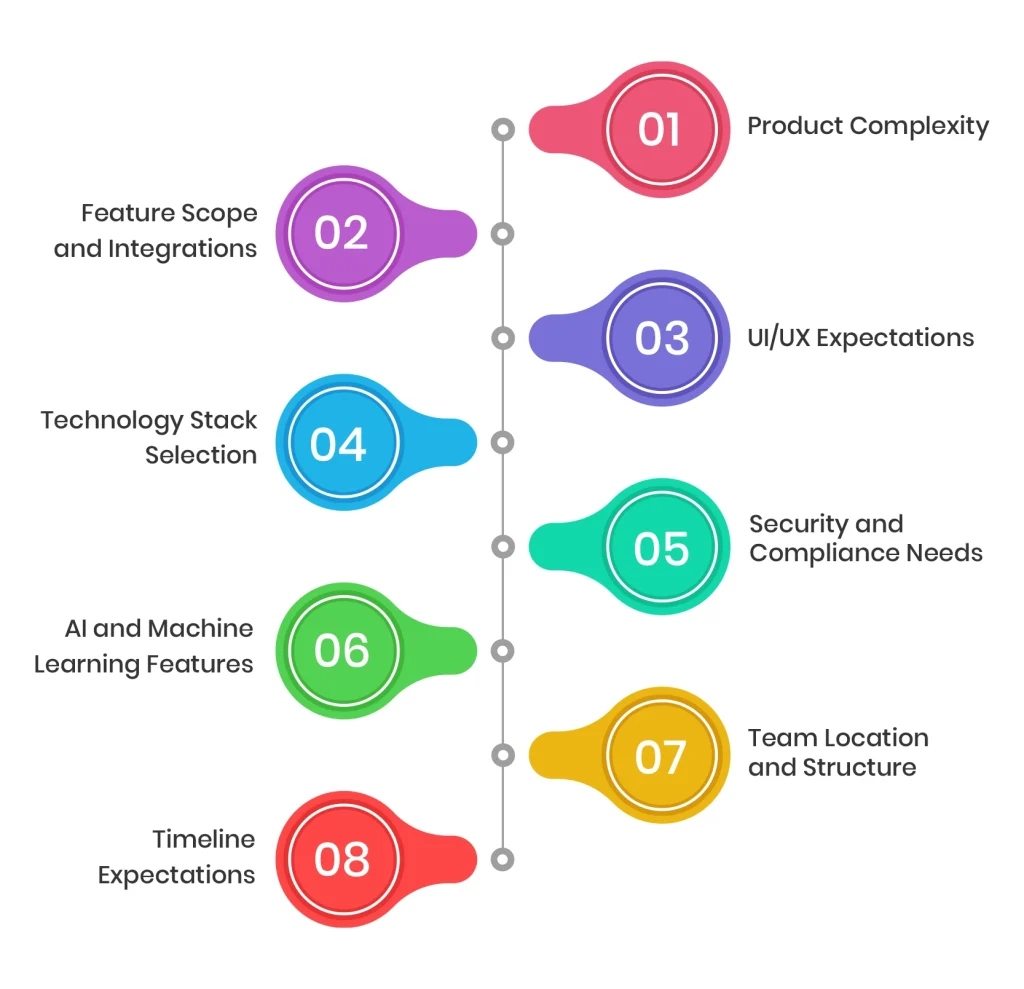
Product Complexity
Complexity is the single biggest pricing factor. A simple scheduling tool is far cheaper than a platform that processes real-time analytics or automates workflows. That too, using machine learning. Every layer of logic and data processing increases the development time and technical difficulty.
Feature Scope and Integrations
Each additional feature adds development hours, but integrations often add even more. Connecting with payment systems, CRMs, communication platforms, or analytics services requires API setup, testing, and maintenance. The more integrations you require, the higher your budget will be.
UI/UX Expectations
Design is no longer optional in SaaS. Users expect smooth interfaces, intuitive navigation, and responsive layouts. A highly interactive interface takes significantly more time to design and test than a simple dashboard layout.
Technology Stack Selection
Your chosen tech stack affects development speed, scalability, maintenance cost, and hosting expenses. Some stacks allow rapid development but require more powerful servers. Others are much more affordable long-term but take longer to build.
Security and Compliance Needs
If your SaaS handles sensitive data or operates in regulated industries, security requirements can dramatically increase costs. Encryption layers and authentication systems are expensive. Moreover, audit logs and compliance testing all require specialized expertise.
AI and Machine Learning Features
SaaS tools that are powered by AI are getting increasingly common. However, they also require additional infrastructure. This often includes training models and data pipelines. Even simple recommendation engines add development complexity.
Team Location and Structure
Development rates vary globally, and team experience levels matter as much as geography. Highly experienced developers may charge more per hour, but often complete projects faster and with much fewer revisions.
Timeline Expectations
A tight deadline typically means a larger development team. Mostly, this team is working simultaneously. This naturally increases the cost. Longer timelines can reduce immediate expenses but delay product launch and revenue generation.
SaaS Development Cost Breakdown by Stage
Each stage of the SDLC affects the cost breakdown. This is because of the unique specialization needed at each phase.
Discovery and Planning
This stage defines the goals, user journeys, technical requirements, and architecture. It may seem like a preliminary step, but it’s actually one of the most important phases. This is because it often prevents expensive redesigns and revamps later.
Estimated Cost Allocation: 10% – 15%
Estimated Cost Range: $5,000 – $45,000
UI/UX Design
Design shapes how users experience your platform. It also displays how you want it to look like. Good design reduces confusion, and it does so while improving retention. This move minimizes support requests. Investing here often saves money after launch.
Estimated Cost Allocation: 10% – 15%
Estimated Cost Range: $10,000 – $45,000
Frontend Development
Frontend development builds everything that users interact with. This goes all the way from dashboards to navigation systems. It ensures the platform looks good and functions smoothly across devices and screen sizes.
Estimated Cost Allocation: 20% – 25%
Estimated Cost Range: $20,000 – $75,000
Backend Development
Backend development forms the core of your SaaS product. It handles databases, authentication systems, APIs, and business logic. This stage usually consumes the largest portion of the budget. It is this way because it determines performance and scalability.
Estimated Cost Allocation: 25% – 35%
Estimated Cost Range: $25,000 – $105,000
DevOps and Cloud Setup
Infrastructure setup ensures your platform runs reliably under real-world conditions. This includes server configuration and monitoring systems. It also involves scaling mechanisms.
Estimated Cost Allocation: 5% – 10%
Estimated Cost Range: $5,000 – $30,000
QA and Testing
Testing helps verify that the features your product has work correctly. It check whether they function the right way across devices, browsers, and usage scenarios. Thorough testing reduces the risk of bugs popping up after the launch that could damage user trust.
Estimated Cost Allocation: 10% – 15%
Estimated Cost Range: $10,000 – $45,000
Deployment
Deployment involves making your product live. It involves configuring servers and optimizing performance for real users. A smooth deployment ensures a stable launch.
Estimated Cost Allocation: 5% – 8%
Estimated Cost Range: $5,000 – $24,000
Ongoing Maintenance
After the launch takes place, SaaS platforms require better and continuous updates. This also involves monitoring and performance improvements. Maintenance is not optional. It’s part of the product lifecycle.
Estimated Cost Allocation: 15% – 25% annually of the initial development cost
Estimated Cost Range (Annual): $15,000 – $75,000 per year
What are the Hidden Costs of SaaS Development that Most Businesses Ignore?
Ignoring these intricate costs is often the reason why many businesses find themselves in debt. This is why organizations need to plan everything properly.
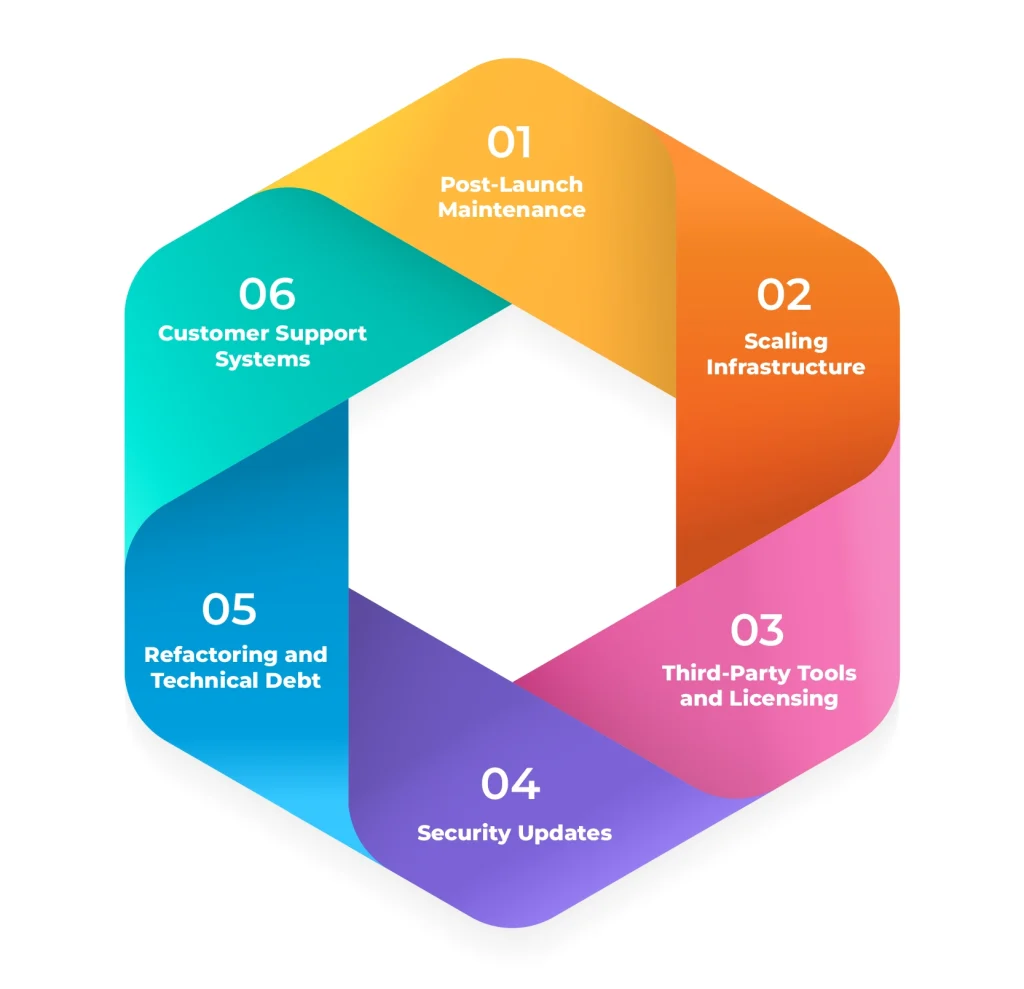
Post-Launch Maintenance
Many companies budget for development but forget maintenance. Software requires updates, bug fixes, and compatibility improvements as technology evolves.
Scaling Infrastructure
As your user base grows, so do your hosting and storage requirements. The bandwidth expenses increase as well. Scaling costs can rise even more quickly if the infrastructure isn’t optimized.
Third-Party Tools and Licensing
APIs, analytics services, messaging tools, and payment processors often charge recurring fees. These costs accumulate over time and must be factored into long-term planning.
Security Updates
Cybersecurity threats constantly evolve. Hackers are also actively trying to crack any website or software that they can. To stay protected, SaaS platforms need regular security upgrades and monitoring systems.
Refactoring and Technical Debt
As products grow, older code sometimes needs restructuring to maintain performance. Ignoring this technical debt can eventually slow down the development. Then, it will increase costs.
Customer Support Systems
Support tools, onboarding systems, documentation platforms, and customer service teams all add operational expenses that many founders underestimate.
Cost Comparison: In-House vs Outsourced vs Dedicated Team
Here’s a quick comparison of the three common team structures that can build your SaaS product.
In-House Development
Building an internal team provides maximum control and direct communication. However, it also involves salaries, benefits, office resources, and management overhead, making it the most expensive option upfront.
Outsourced Development
Outsourcing is often more affordable because you pay for deliverables instead of full-time staff. It works especially well for startups launching their first SaaS product or businesses that don’t need a permanent development team.
Dedicated Team Model
A dedicated team combines the advantages of outsourcing and in-house development. You get a consistent team focused solely on your product without handling recruitment or administration. This model is often ideal for scaling startups.
How to Reduce SaaS Development Cost Without Compromising Quality?
Here are a few helpful tips that can help businesses prepare better before launching their product.
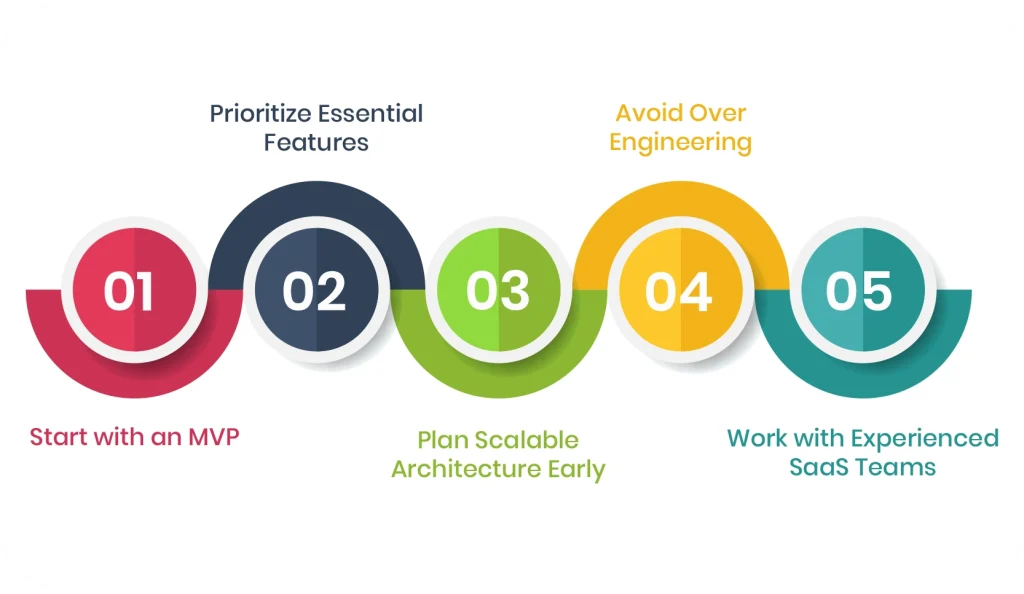
Start with an MVP
Launching a simplified version first allows you to validate demand before investing heavily. Many successful SaaS companies scaled gradually after confirming real user interest.
Prioritize Essential Features
Focusing on must-have functionality prevents wasted development time and keeps budgets under control. Extra features can always be added later.
Plan Scalable Architecture Early
Building a system designed for growth from the start prevents costly rebuilds as your platform gains users.
Avoid Over-Engineering
Complex solutions aren’t always better. Over-engineering early often wastes time and resources. Simple systems tend to perform more reliably during initial growth.
Work with Experienced SaaS Teams
Experienced developers can spot potential issues early, build faster, and design systems that require less maintenance. Their expertise often reduces overall cost despite higher hourly rates.
Conclusion
SaaS development cost in 2026 is shaped by strategy, technical decisions, and long-term vision. Businesses that rush into development without clear planning often spend more fixing mistakes later, while those that invest in proper discovery and architecture usually launch faster and scale smoothly.
The smartest approach isn’t choosing the cheapest option. It’s choosing the right development strategy for your goals and growth expectations. A well-built SaaS platform isn’t just software. It’s a revenue-generating digital asset that can grow with your business for years.
If you’re considering building a SaaS product and want a realistic estimate for your idea, now is the perfect time to evaluate your concept and get a professional cost assessment. A clear plan today can save you months of delays and thousands in unnecessary expenses tomorrow.