
Mobile app development cost in 2026 depends largely on app complexity. Complexity determines how much technical work is required to build, test, and maintain an app.
Complexity is not just about the number of screens or visible features. It includes backend logic, data processing, integrations, and how the app performs under real user conditions.
A simple app with basic functionality costs less to develop. As features become more advanced, development time increases. More development time results in higher overall costs.
This is why mobile app development costs vary widely between projects. Many businesses underestimate budgets because they do not understand complexity early in the planning phase.
This guide explains how app complexity affects mobile app development costs in 2026. It helps businesses plan budgets accurately and avoid unexpected expenses later.
Why Complexity Has a Direct Impact on Development Costs
App development cost increases as the amount of work increases. Higher complexity requires more development time, more planning, and more testing.
Higher complexity apps usually require:
- More backend development
- Advanced system architecture
- Extended quality assurance cycles
- Greater coordination across teams
Each of these elements adds to the total project cost. Two apps may look similar on the surface but cost very different amounts because of backend complexity.
What Exactly Does It Cost to Make an App in 2026?
In 2026, mobile apps play a major role in business growth. Knowing development costs early helps businesses plan timelines and budgets more effectively. Whether you’re launching your first MVP or planning a full-scale product, knowing the average mobile app development cost in 2026 helps you plan smarter.
Here’s a quick overview of the mobile app cost breakdown according to complexity:
| App Type | Estimated Cost | Estimated Timeline |
| Simple App | $12,000 – $25,000 | 2–4 months |
| Mid-Complexity App | $30,000 – $60,000 | 4–6 months |
| Complex App | $70,000 – $150,000 | 6–12 months |
| Enterprise App | $200,000 – $500,000+ | 12–24 months+ |
These cost ranges are based on recent industry reports and real world development projects.
Which Factors Affect Mobile App Development Costs in 2026?
Several technical and planning factors affect mobile app development cost. Each decision made during planning influences the final budget.
Understanding these factors helps businesses estimate costs more accurately and make better decisions during the planning phase.
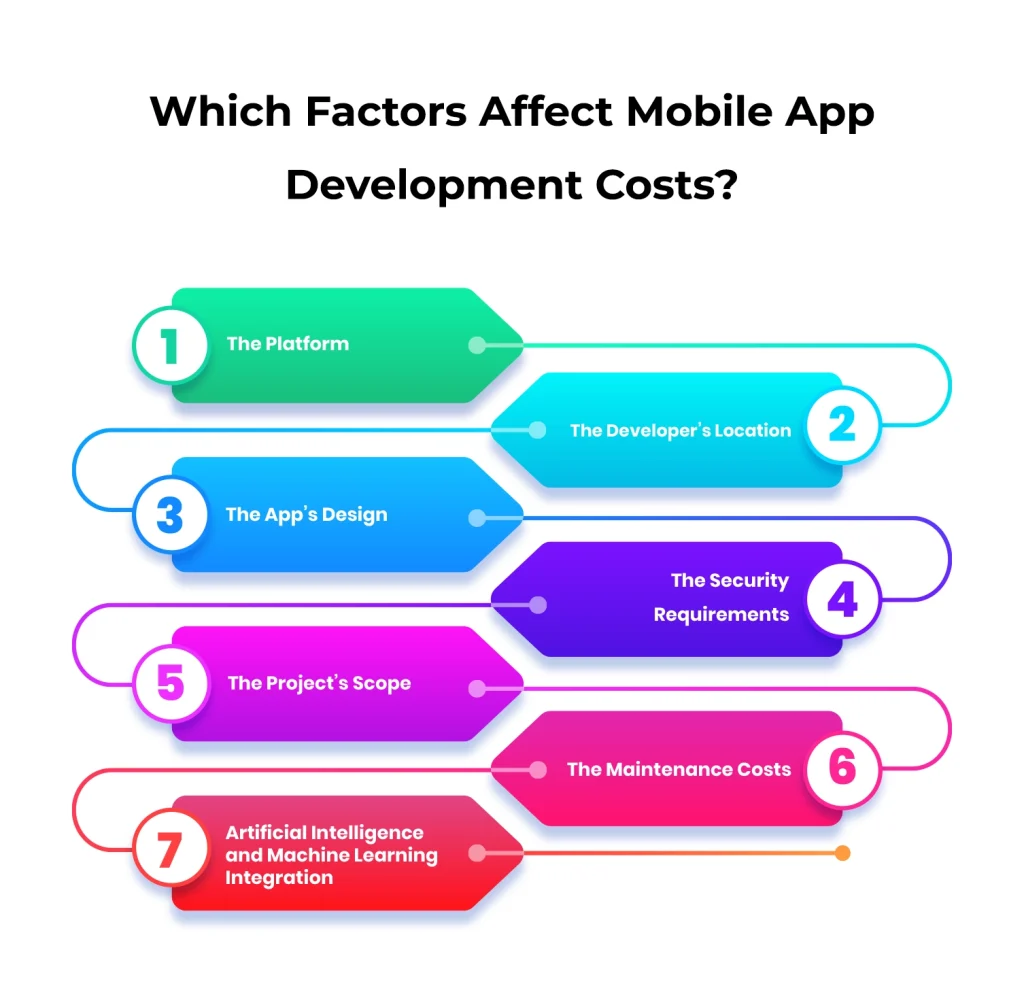
The Platform
Building for multiple platforms requires more development effort than building for a single platform. With frameworks like Flutter and React Native, it’s easier and quicker to reach both Apple and Android users. They cut down on the effort and cost while delivering native-like experiences.
Native development requires separate codebases for iOS and Android. This increases development time and cost. Cross-platform frameworks reduce cost by allowing shared code.
The Developer’s Location
Where your developers are based can have a huge impact on your final bill. Developers in Northern America or Western Europe usually charge premium rates. However, outsourcing your project to a team in Asia or Eastern Europe often provides the same quality at a lower cost.
Developer location affects hourly rates and total project cost. Choosing the right team depends on experience, communication, and technical skill.
The App’s Design
Design affects both user experience and development cost. In 2026, good design isn’t just about pretty screens; it’s about the whole experience. If you want custom illustrations and smooth micro-interactions, expect to pay more for a skilled UI/UX designer.
Simple designs reduce design and development effort. Custom designs increase cost but improve branding and usability.
The Security Requirements
If your app handles sensitive user data like payments or personal info, you’ll need high-class security, and that adds to the cost. For e-commerce and FinTech businesses, features like data encryption and regular security audits take extra time and expertise to implement.
Apps that handle sensitive data require stronger security measures. Security adds development time but reduces long-term risk. So invest well in the beginning to avoid issues later.
The Project’s Scope
The complexity and scope of a mobile app play a central role in determining development costs. Applications with basic functionality, such as simple login systems and static content, require fewer development hours and resources.
As the scope expands to include advanced features like real-time messaging or dynamic data processing, development time increases. As scope increases, development time and team size also increase.
The Maintenance Costs
Launching your app isn’t the end; it’s just the start of another bill. Maintenance is an ongoing cost required to keep the app stable, secure, and updated. Regular updates and performance monitoring are crucial to keeping your app relevant and smooth.
Most businesses set aside around 15–20% of their initial budget for yearly maintenance. Skipping it can make your new app feel outdated fast.
Artificial Intelligence and Machine Learning Integration
Adding artificial intelligence or machine learning can really affect your app’s status. AI and machine learning significantly increase app complexity and development cost. AI features require advanced development, testing, and infrastructure. They increase upfront cost but can deliver long-term business value.
AI and ML integration increases upfront development costs but can deliver long-term value by improving user engagement and scalability. For businesses with long-term growth plans, this investment can provide a strong competitive advantage.
The App Development Detailed Cost Breakdown
We’ve already given you the general costs, but what about how each stage affects your app development pricing? By optimizing them, you can manage the outcome and adjust it to your budget. Based on real projects delivered for startups and enterprises, alongside market standards, Linkitsoft has categorized how each phase affects the app development costs.
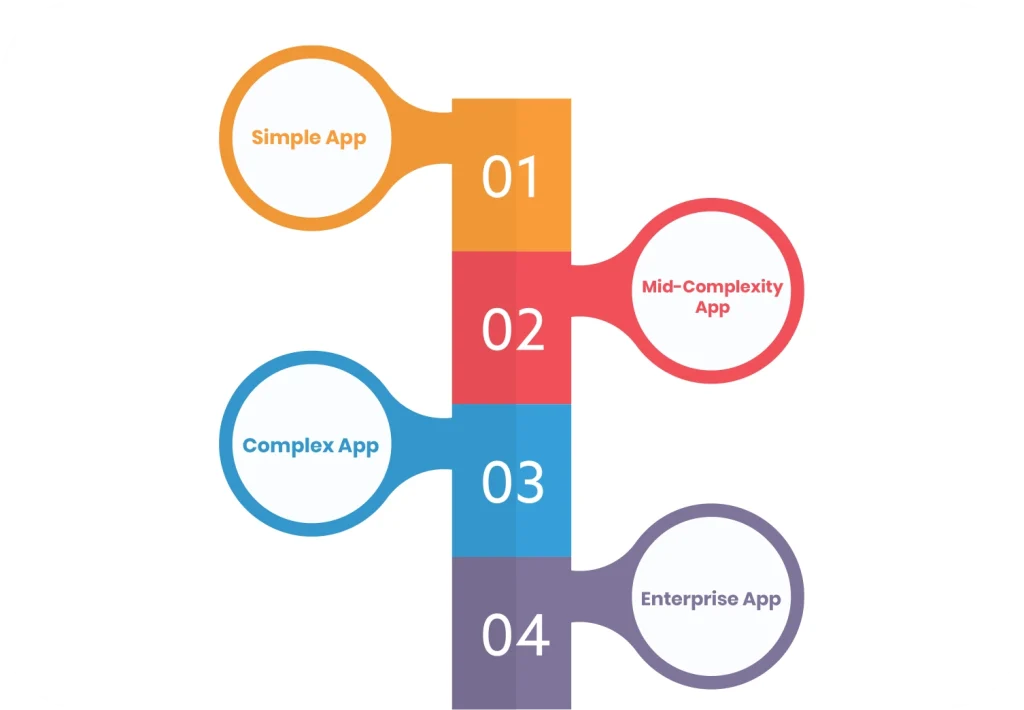
Simple App
A simple app usually comes with the basics. It has login/signup, a user profile, a clean dashboard, and maybe a contact form or basic settings. It won’t have a complex backend or any animations, just a smooth experience. Simple apps are suitable for testing ideas and early stage products, especially for startups testing an idea or small businesses wanting a digital presence without overspending.
- UI/UX Design: $2,000 – $4,000
- Development: $8,000 – $14,000
- Testing & QA: $1,500 – $3,000
- Project Management & Deployment: $1,000 – $2,000
- Maintenance (Yearly): around $1,000 – $2,000
That’s your ideal range if you want an app that looks good and gets your idea out into the market fast.
Mid-Complexity App
A mid-complexity app is where things start to get interesting. These apps go beyond the basics; they have in-app purchases, real-time chat, custom dashboards, and even API integrations. They need more backend logic and expert design touches. Mid complexity apps support growth and more advanced functionality.
- UI/UX Design: $4,000 – $8,000
- Development: $18,000 – $35,000
- Testing & QA: $3,000 – $6,000
- Project Management & Deployment: $2,000 – $5,000
- Maintenance (Yearly): around $3,000 – $6,000
This range works perfectly if you’re aiming for an app that looks great and also delivers richer functions and a user experience that feels premium.
Complex App
Complex apps require advanced backend systems and custom architecture. You’ll get real-time tracking and multi-user systems with tons of backend logic. These apps usually require custom architecture and advanced security layers to keep everything stable and scalable. They’re built for businesses that need personalization and serious tech expertise behind the scenes.
- UI/UX Design: $8,000 – $15,000
- Development: $40,000 – $90,000
- Testing & QA: $6,000 – $12,000
- Project Management & Deployment: $4,000 – $10,000
- Maintenance (Yearly): around $5,000 – $10,000
This range fits apps that go beyond user interaction. They handle data and deliver advanced features that truly stand out in competitive markets.
Enterprise App
Enterprise apps support large-scale business operations and high user volumes. It’s built for large-scale operations and enterprise-grade security. These apps usually integrate with CRMs and internal systems while handling thousands or even millions of users at once. They’re the kind of apps that keep entire businesses running smoothly.
- UI/UX Design: $15,000 – $30,000
- Development: $100,000 – $300,000
- Testing & QA: $15,000 – $30,000
- Project Management & Deployment: $10,000 – $25,000
- Maintenance (Yearly): around $10,000 – $20,000
This is the budget range for enterprise-level apps that represent big brands or corporate ecosystems.
Cost Mistakes Businesses Make in Mobile App Development (And How to Avoid Them)
Many businesses go over budget not because development is expensive, but because of small planning mistakes made early on. Many businesses exceed budgets due to planning mistakes made early.

Starting Without Clear Requirements
One of the biggest cost mistakes is jumping into development without clearly understanding or deciding what the app should do. Confusing requirements lead to constant changes during development, which means extra development hours and higher costs.
How to avoid it:
Before development starts, invest time in proper planning. Define your main features and goals clearly. A well-documented scope keeps everyone aligned and prevents unnecessary revisions later.
Trying to Build Too Much at Once
Many businesses attempt to launch a “perfect” app on day one. They add every feature they can think of, which quickly increases complexity and cost.
How to avoid it:
Start with an MVP (Minimum Viable Product). Focus only on features that solve the main user problem. You can always add advanced functionality after validating your idea in the market.
Ignoring Ongoing Maintenance Costs
Some businesses assume app development costs end after launch. In reality, maintenance is a long-term investment that keeps your app secure and relevant.
How to avoid it:
Plan for maintenance from the beginning. Set aside 15–20% of your development budget annually for updates and performance improvements.
Choosing the Wrong Development Approach
Going fully native when a cross-platform solution would work. This is because choosing a cheaper team without proper expertise often leads to unexpected costs.
How to avoid it:
Choose your tech stack based on your app’s goals. Cross-platform frameworks work well for many projects, while native development makes sense for apps with heavy performance. Always prioritize experience over low pricing.
Underestimating Design and User Experience
Some businesses treat design as an optional expense. Poor UI/UX leads to low user retention, which can make even a technically solid app fail.
How to avoid it:
Invest in user-focused design early. Good UX reduces future redesign costs and improves user engagement. This makes your app more affordable in the long run.
Skipping Proper Testing to Save Money
If you try to save money in the beginning on testing, then it may reduce short-term costs. However, it often results in post-launch bugs and negative user reviews.
How to avoid it:
Include quality assurance throughout the development process. Early testing helps identify issues before they become expensive fixes after launch.
Not Planning for Scalability
Some apps are built only for current needs. When user demand grows, the app struggles to handle traffic. This forces expensive architectural changes.
How to avoid it:
Design your app with scalability in mind. Even if you start small, a scalable backend ensures smoother growth without huge redevelopment costs.
Conclusion
Mobile app development cost in 2026 depends on app complexity, scope, and technical requirements. There is no single fixed price that applies to every project.
Rather than focusing solely on reducing costs, businesses should focus on spending strategically. A well-planned app with the right level of complexity lowers maintenance risks and delivers stronger long-term returns.
In 2026, success is not about building the cheapest mobile application for your business. But, about creating the right app for your users, your market, and your growth strategy.
Frequently Asked Questions
How much does it cost to develop a mobile app in 2026?
The cost of mobile app development in 2026 typically ranges from $12,000 to $500,000+, depending on the app’s complexity. Simple apps with basic features fall on the lower end, while complex and enterprise-level apps require significantly higher budgets.
What type of mobile app is the most cost-effective to build?
A simple or MVP-level mobile app is the most affordable option, especially for startups and new businesses. These apps focus on essential features and allow businesses to validate their ideas before investing in more complex functionality.
Can mobile app development costs be reduced without affecting quality?
Yes, costs can be managed without compromising quality by defining clear requirements. You can start with the right complexity level and prioritize essential features.
Can my mobile app survive without maintenance and support?
In a way, yes, but not for long. Maintenance and support are there to help keep your mobile app in good shape. It helps ensure that your app remains secure and up-to-date with the latest trends, and doesn’t go out of date.
How long does mobile app development take based on complexity?
Development time depends on how complex the app is. Simple apps usually take two to four months. Mid complexity apps take around four to six months. Complex and enterprise apps can take six months to over a year.
Which features increase mobile app development cost the most?
Features like real time chat, payment systems, third party integrations, role based access, and advanced security increase costs the most. These features require more backend work and testing.
Is cross platform development cheaper in the long run?
Cross platform development can reduce initial development cost by using a shared codebase. It works well for many business apps. However, apps with high performance needs may still require native development.
How can businesses estimate app complexity before development?
Businesses can estimate complexity by listing core features, user roles, integrations, and data flow requirements. A clear scope and technical discussion with a development team helps avoid cost surprises later.