The ecommerce industry is growing fast, and the numbers prove it. In 2025, global online sales crossed $6.8 trillion. And that makes up more than 20% of total retail sales worldwide. And when you look at future projections, the picture becomes even bigger. Experts believe ecommerce sales will reach around $8 trillion by 2027. So clearly, this is not a small opportunity. It is a massive shift in how people shop.
However, growth does not happen automatically. Simply launching an online store is not enough anymore because competition is intense. Customers have endless choices, and moreover, they read reviews, compare prices, and switch brands very quickly. Therefore, choosing the right business idea becomes extremely important.
So if you have been thinking about starting something online, this might be the right time. In this article, we will talk about how to build a successful ecommerce store online. We will also share 20 lucrative eCommerce business ideas you can start right now, based on current trends and real consumer demand.
How to Pick an eCommerce Idea That Works for You
Now that you understand why ecommerce is growing so fast and what makes it work, the next step is to find an idea that truly fits you. The right concept is not only something you are interested in but also something that has real potential in the market. Here are five things to focus on when picking your ecommerce business idea.
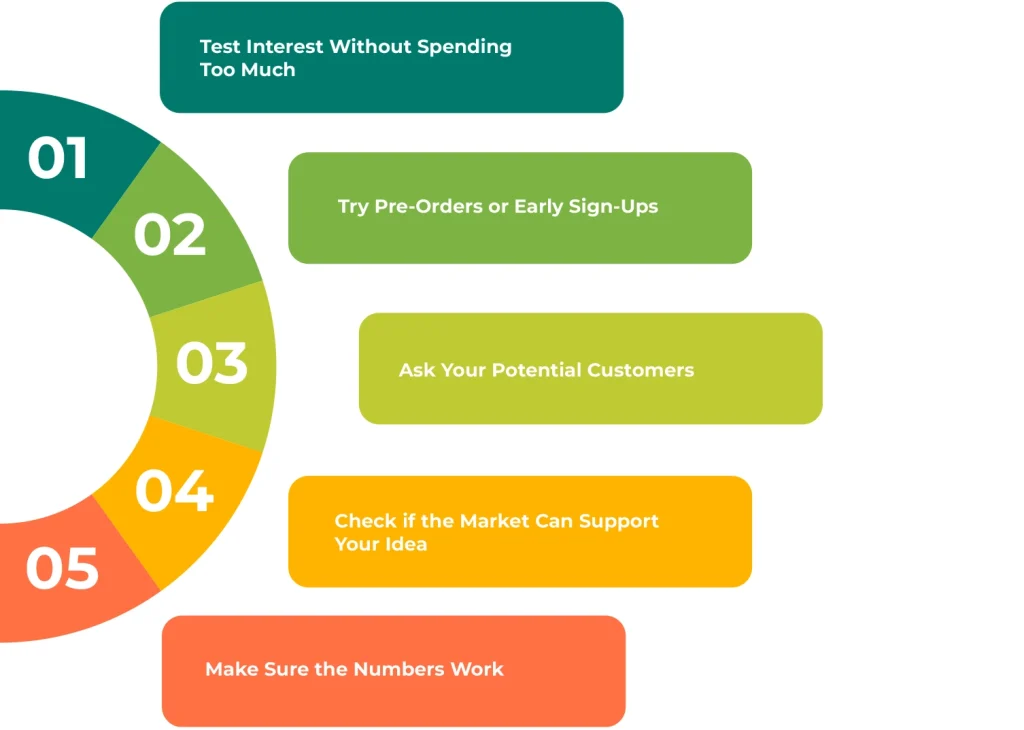
Test Interest Without Spending Too Much
Start small before investing a lot because it helps you see if people care about your idea. You can create a simple page or post that explains your product and add a button like “Sign Up to Learn More.” Then drive traffic with a few social media posts or ads.
If people click or sign up, it shows there is genuine interest, which is a good first signal.
Try Pre-Orders or Early Sign-Ups
If your product is physical, consider letting people pre-order it. This is useful because it helps you measure real demand before buying or making inventory.
Moreover, be clear about delivery timelines so customers know what to expect and trust your brand.
Ask Your Potential Customers
Reach out directly to the people who might buy your product because their feedback is invaluable. You can use short surveys, polls, or even messages in social media groups where your audience hangs out.
Ask about the problems they face, features they want, and how much they would pay. This insight helps refine your idea and saves time and money later.
Check if the Market Can Support Your Idea
Look around to see if similar products exist and are being sold, because this proves there is demand. However, don’t copy them.
Instead, study what they do well and find ways to make your product stand out or offer something different. Doing this increases your chances of success.
Make Sure the Numbers Work
Finally, check if your idea makes financial sense because you want to avoid surprises. Calculate whether you can sell your product at a price that covers costs like shipping, marketing, and platform fees, and still earn a profit.
Moreover, knowing your potential pricing early helps you plan your business more effectively.
20 Highly Profitable eCommerce Business Ideas
Now that you have a clear picture of the ecommerce landscape, it’s time to look at ideas that could help you launch your online business. These options are chosen based on demand, growth potential, competition, and how easy they are to start.
Remember, success often comes from having a thorough understanding of your market. Tools like Google Trends can show what customers are actively searching for, while following industry influencers can help you spot emerging opportunities early.
Service-Based Opportunities
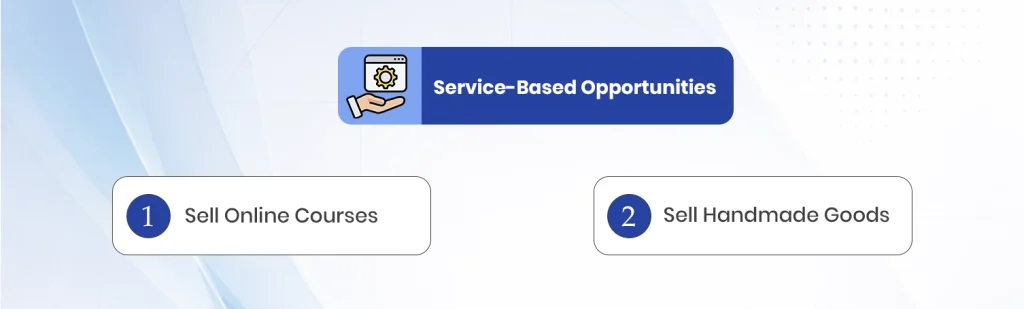
1. Sell Online Courses
The global eLearning market is expected to reach $325 billion by 2025. This shows how more people seek skills online. If you have expertise in a particular subject, you can make courses that help others achieve specific goals. For example, learning a new skill or switching careers.
Creating an online course usually requires low capital, carries low risk, and offers very high scalability because once the content is made, it can generate passive income with minimal ongoing effort. Moreover, marketing and building an audience become your main focus. So, you can reach students worldwide without extra inventory or logistics.
2. Sell Handmade Goods
If you enjoy creating unique items, turning your creative skills into an online business can be very rewarding. You can create unique or customised jewelry, art prints, ceramics, candles, or organic home products, appealing to shoppers looking for individuality and quality.
Starting a handmade goods business generally requires low capital for materials, comes with low risk, and has medium scalability, especially if production is labor-intensive. Moreover, as demand grows, you can collaborate with trusted artisans to scale up your offerings.
Specialized and High-Demand Retail
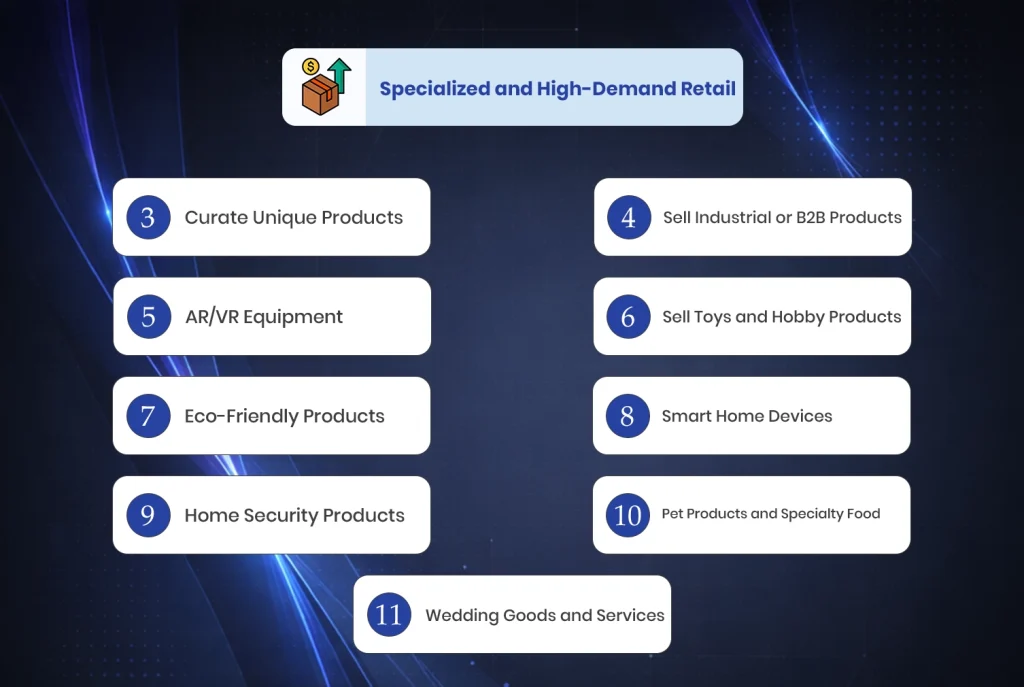
3. Curate Unique Products
If you want to stand out from big retailers, then focus on offering carefully chosen, unique items that feel personal. For example, artisanal home decor, specialty foods, or limited-edition fashion. Because these products are tailored to a specific audience, they often create a stronger connection with buyers.
Moreover, starting this kind of business usually requires medium capital for inventory, comes with medium risk, and has medium scalability since maintaining quality is key. When you add customization options or personalized recommendations, it can further boost customer loyalty and encourage repeat purchases.
4. Sell Industrial or B2B Products
Many startups and businesses struggle to find specialized tools, equipment, or parts online, which is where you can step in. If you have sufficient industry knowledge, then providing machinery, office equipment, or technical components directly to companies can fill a real need. Furthermore, providing guidance can make your ecommerce business even more valuable.
This type of venture generally needs high capital for inventory and logistics, carries medium risk, and offers high scalability due to large orders and recurring clients. By building strong customer relationships, you can also create opportunities for long-term contracts and, hence, a consistent revenue stream.
5. AR/VR Equipment
VR and AR are growing fast, with the market expected to reach $89.82 billion in 2025. You could easily rent VR equipment for events, create immersive experiences, or even make digital content for brands. Because the technology is still emerging, early movers can carve out a strong niche.
Starting in this field usually requires medium to high capital, comes with medium risk, and offers medium to high scalability, especially if you produce digital content that can be reused for multiple clients. Moreover, your technical skills can open doors to VR content creation services, which can expand your revenue streams.
6. Sell Toys and Hobby Products
With children addicted to screentime and online gaming, parents are constantly looking for high-quality and engaging toys for their kids. Be it board games and craft kits to action figures and collectibles, there’s always a demand. Because toys appeal to both children and hobbyists, targeting the right audience is crucial.
Launching a toy business usually requires medium capital, has low to medium risk, and offers high scalability as popular products can generate steady repeat sales. Furthermore, staying updated on safety standards and industry trends helps build trust and makes sure that your ecommerce toy store stays market-competitive.
7. Eco-Friendly Products
Consumers are increasingly looking for sustainable options. According to a 2026 research, 80% global customers are willing to pay more for eco-friendly options. In your environment-conscious ecommerce store, you can sell reusable household items, energy-saving gadgets, recycled products, or products made from sustainable materials.
Starting this niche usually requires medium capital to source quality products and carries low risk. It is also highly scalable as sustainability becomes a priority. Moreover, sharing your story and environmental impact in marketing can attract loyal, socially conscious buyers.
8. Smart Home Devices
Smart home adoption is rising, with 63% of US households owning at least one connected device in 2025. You could sell smart speakers, thermostats, security systems, or offer installation services. Because technology adoption is growing rapidly, early entrants can gain a strong foothold.
This business generally needs medium capital for inventory, has low risk, and offers high scalability. Furthermore, providing bundled services or tech support can set your ecommerce store apart from competitors and increase customer satisfaction.
9. Home Security Products
The home security market worldwide was valued at $72.4 billion in 2025 and is expected to reach $109.4 billion by 2030. Devices like smart locks, alarms, cameras, and baby monitors help homeowners feel safe, which makes this a growing niche. Because people value peace of mind, offering reliable products can quickly build trust.
Launching this type of business typically requires medium capital, carries low risk, and has high scalability. Moreover, staying updated on new tech and giving guidance to customers can improve your store’s credibility and encourage repeat sales.
10. Pet Products and Specialty Food
Pet owners spend more than ever on their furry friends, with the US pet market expected to hit $157 billion by 2025. Organic treats, custom toys, and stylish accessories are highly sought after. Because pets are part of the family, buyers often look for quality and uniqueness.
Starting in this market generally requires medium capital, has low risk, and offers high scalability due to repeat purchases. Furthermore, sharing care tips or educational content online can increase engagement and strengthen your brand’s reputation.
11. Wedding Goods and Services
Couples are always looking for unique invitations, digital templates, decor items, photography, or officiating services. Since weddings are a big personal event, offering tailored or customizable solutions can attract loyal customers.
Starting a wedding-focused business usually needs low to medium capital, depending on whether you sell physical or digital products, carries medium risk due to seasonal demand, and has medium scalability since services can be time-intensive. Moreover, providing affordable yet specialized wedding event options can help you stand out in a competitive market.
Apparel and Accessories
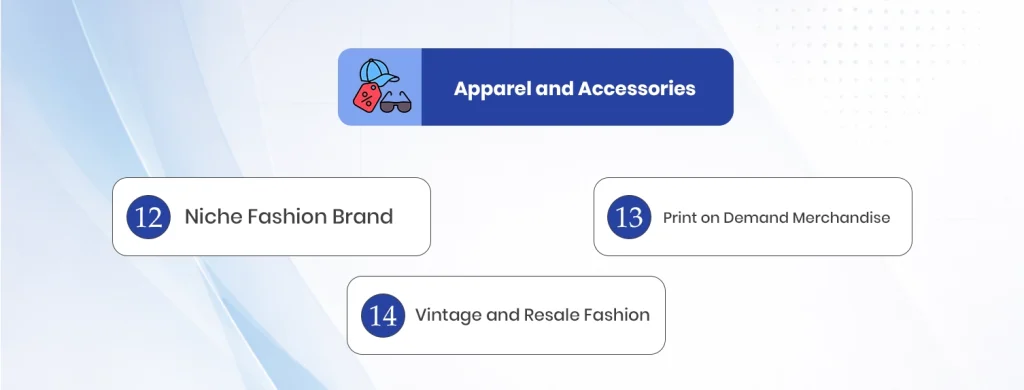
12. Niche Fashion Brand
If you have a clear style in mind, this is your space. Instead of trying to compete with big fashion brands, focus on a specific audience such as gamers, fitness lovers, or fans of minimalist fashion. The apparel market globally is expected to hit $2.26 Trillion By 2030, which means demand is massive. However, success depends on how clearly you define your niche.
You can start with low to medium capital, depending on whether you use print-on-demand or manufacture in bulk. The risk is medium because competition is high, yet scalability is strong if your brand connects with the right audience. Moreover, when your messaging speaks directly to your buyers, growth becomes much easier.
13. Print on Demand Merchandise
If you want a low-commitment entry into ecommerce, print-on-demand is worth considering. You create the designs, and a supplier handles printing and shipping. The US print-on-demand market is projected to reach $57.49 billion by 2033, which shows steady growth in personalized products.
This model requires low capital and carries low risk since you do not hold inventory. Scalability is high because you can add new designs without increasing operational pressure. Furthermore, you can test ideas quickly and focus only on what actually sells.
14. Vintage and Resale Fashion
If you enjoy hunting for unique pieces, resale fashion can be a smart move. The global second-hand apparel market is expected to hit $367 billion by 2029. This shows a strong consumer interest in sustainability and affordability. Buyers today want style with value.
You can enter this market with low capital since sourcing is your main cost. The risk is low, although scalability is medium because growth depends on a consistent supply. Moreover, if you position your ecommerce store around sustainability and individuality, you give customers a reason to choose you over fast fashion brands.
Health and Beauty
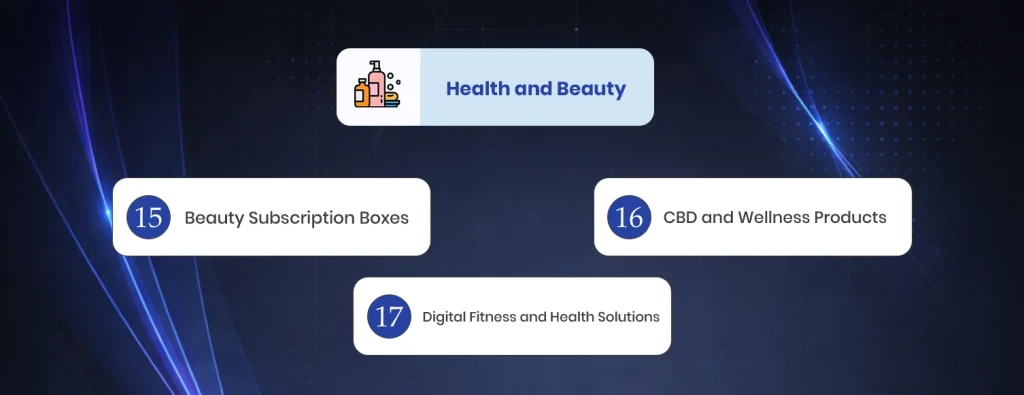
15. Beauty Subscription Boxes
If you understand skincare or cosmetics, a subscription box can turn that knowledge into a steady income. You curate and bundle selected beauty products and send them monthly to subscribers who trust your taste. People love discovery, and convenience makes it even more attractive.
Most subscription boxes operate with profit margins between 40% and 60%, which makes the model appealing. You will need medium capital for inventory and marketing, the risk level is medium, and scalability is high because recurring revenue creates a predictable cash flow. Moreover, once customers subscribe and stay satisfied, retention becomes your biggest growth driver.
16. CBD and Wellness Products
If you want to enter the wellness space, CBD products offer strong potential. From oils and edibles to skincare and even pet products, demand continues to grow as consumers look for natural alternatives. However, education is key because many buyers still have questions about usage and benefits.
Starting this business typically requires medium capital for sourcing and compliance, carries medium risk due to regulations, and offers high scalability if you position yourself in a clear niche. Furthermore, understanding local laws is critical because regulations vary from region to region.
17. Digital Fitness and Health Solutions
If you are a trainer, nutritionist, or wellness expert, you can turn your expertise into digital products. Workout programs, meal plans, e-books, supplements, or even on-demand coaching are all viable options for your ecommerce store. The US Health and Fitness Club market is projected to reach $6.96 billion by 2033. This shows continued demand for fitness solutions.
You can start with low capital if you focus on digital products, while physical goods may require a medium investment. The risk level is low to medium, and scalability is high, especially for digital programs and online coaching. Moreover, because more people now prefer flexible, at-home options, online fitness continues to present strong long-term opportunities.
Business Models and Other Opportunities
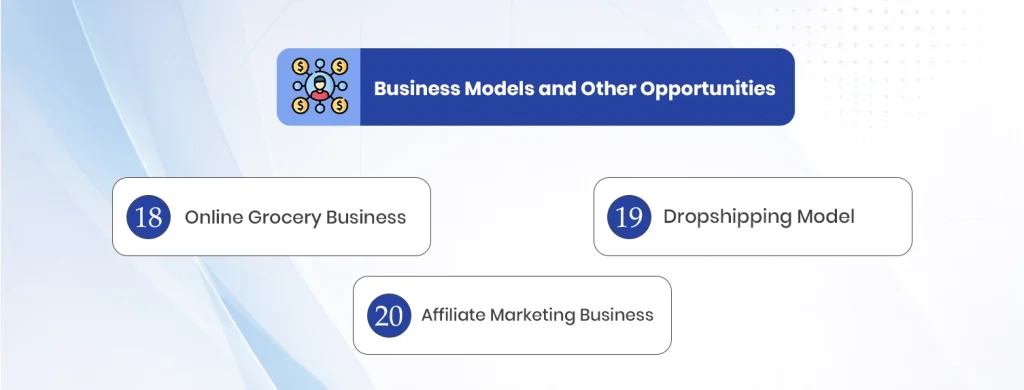
18. Online Grocery Business
Online grocery shopping is becoming standard behavior. Grocery ecommerce sales are expected to surpass 20% of the total US grocery market by 2026. If you understand logistics and local demand, this business offers strong long-term potential.
You could build a marketplace for local vendors, provide direct delivery, or create a click-and-collect system. This ecommerce business usually requires medium to high capital because of logistics, inventory, and technology needs. The level of risk is medium because of perishables and operational complexity. Nonetheless, scalability is high once systems are optimized. Reliability and delivery speed can become your competitive advantage.
19. Dropshipping Model
If you want to enter ecommerce with minimal upfront investment, dropshipping is one of the simplest ways to start. You create the store, choose the products, and focus on marketing, while suppliers handle storage and shipping. In fact, the US dropshipping market is expected to grow to $476.1 billion by 2026, which shows how widely adopted this model has become.
This business requires very low capital since you do not purchase inventory in advance. The risk level is low; however, competition can be intense because the barrier to entry is small. Scalability is high, especially if you find winning products and build strong marketing funnels. Moreover, your success depends heavily on branding and customer experience, not just product selection.
20. Affiliate Marketing Business
If you already have an audience online, affiliate marketing can turn your content into revenue. Instead of creating your own products, you promote other brands and earn a commission when someone makes a purchase through your link. The affiliate marketing industry is projected to reach $71.74 billion by 2034, growing steadily each year.
This model requires very low capital since your main investment is building and nurturing your audience. The risk level is low, and scalability is very high because income can grow without increasing operational costs. Moreover, as your trust and authority increase, your earning potential expands with it.
What to Do After Choosing Your Ecommerce Business Idea?
Coming up with an ecommerce idea feels exciting. However, the real progress starts when you turn that idea into clear steps. Instead of overthinking, focus on building a simple action plan that moves you forward with confidence.
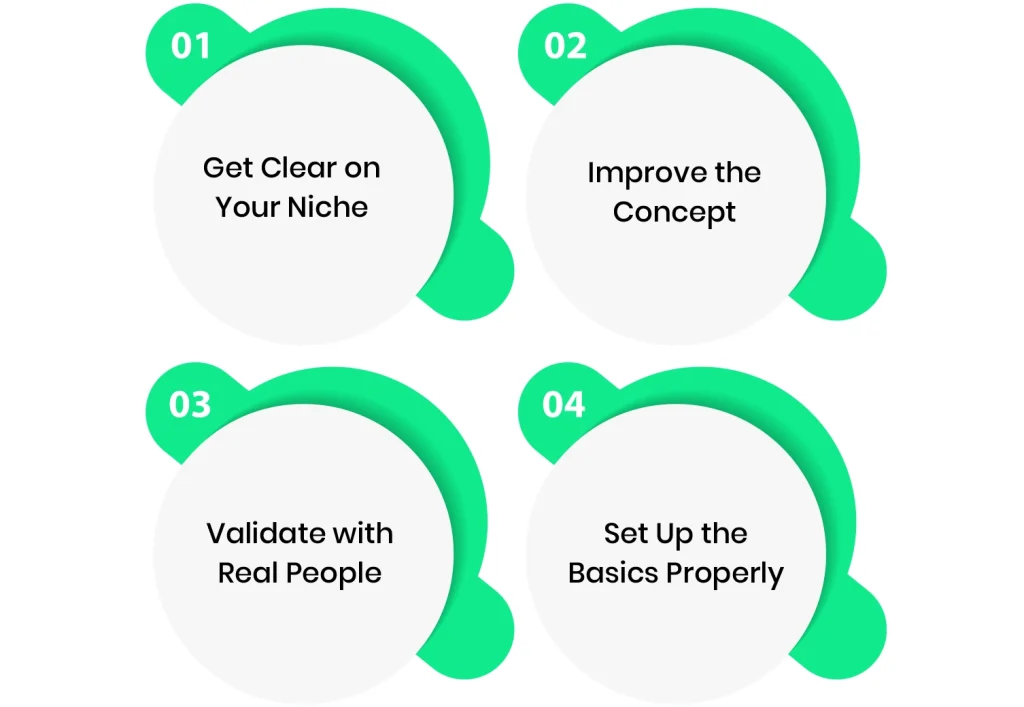
1. Get Clear on Your Niche
First, define exactly who you are selling to. What problem are you solving, and why should someone choose you over others? The more specific you are, the easier it becomes to market your store.
Moreover, a clear value proposition helps you stand out. If your offer feels generic, customers will move on quickly.
2. Improve the Concept
Before committing fully, refine your idea. Can you make it better, more specific, or more useful? Sometimes a small adjustment creates a stronger business model.
However, check competitors carefully. If everyone is offering the same thing, you need a unique angle to compete effectively.
3. Validate with Real People
Do not rely only on assumptions. Talk to potential customers and ask what they actually want. Their feedback can highlight gaps and opportunities you may have missed.
Furthermore, this step reduces risk because you build based on real demand, not guesswork.
4. Set Up the Basics Properly
Once you are confident, focus on branding and suppliers. Choose reliable partners and define your brand identity clearly.
In addition, outline a simple plan for pricing and marketing. This foundation keeps your business structured and ready for growth.
How to Run a Successful Ecommerce Business?
Success today isn’t just about getting lots of visitors or having tons of products. You need a clear plan that focuses on your customers, your niche, and how you connect with them.
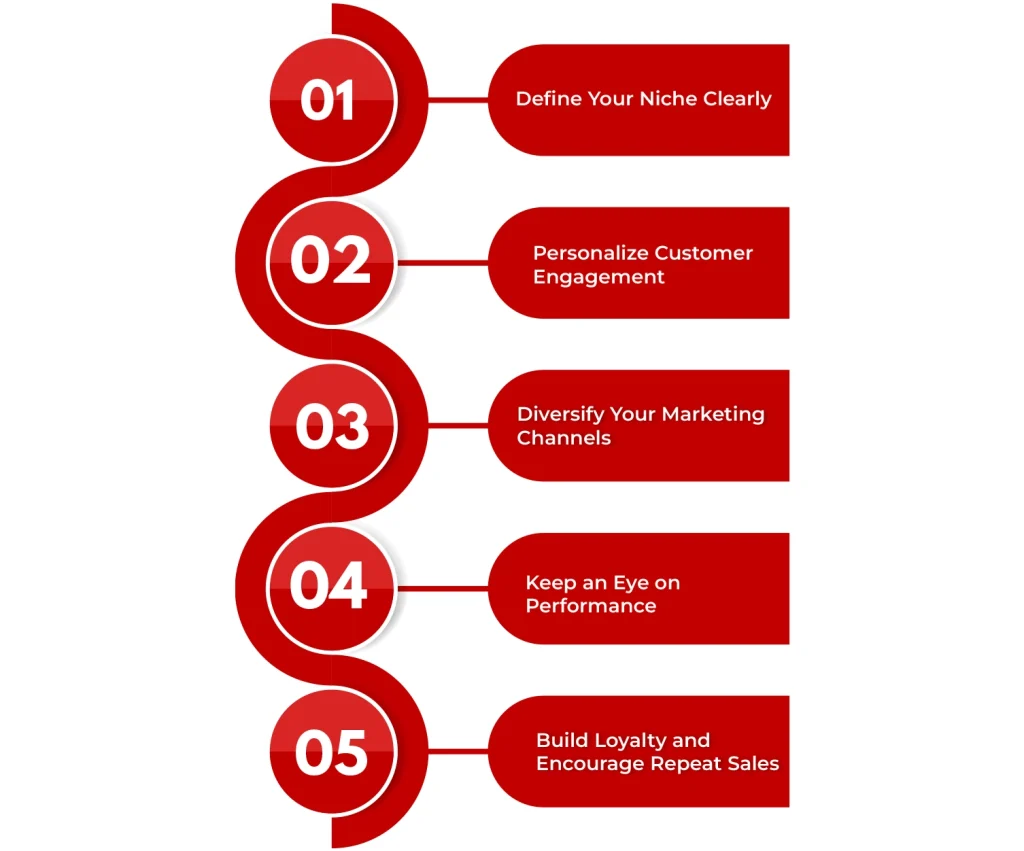
Define Your Niche Clearly
If your product or service isn’t positioned well, it’s very easy to get lost among a sea of competitors. So, make sure it solves a real problem or meets a genuine need for your audience.
Personalize Customer Engagement
Customers notice when experiences feel more personalised. So, use AI-powered product suggestions, targeted emails, or dynamic content to connect with them. This not only boosts revenue but keeps your customers coming back.
Diversify Your Marketing Channels
Don’t rely on just one channel. Instead, mix SEO, social media, paid ads, influencers, and email marketing for better reach. A combined business strategy gives more consistent traffic and results.
Keep an Eye on Performance
Check your sales, website activity, and customer behavior regularly. Looking at the data helps you spot what’s working and what needs tweaking.
Build Loyalty and Encourage Repeat Sales
It’s easier and cheaper to keep customers than find new ones. Use loyalty programs, special offers, or bonuses to keep them coming back and feeling valued.
Key Takeaway
That wraps up our list of high-growth ecommerce business ideas. Some are easy to start, while others may need more planning and research. Real success comes from validating your idea, understanding your customers, and building a business that meets real demand.
If one of these ideas sparked your interest, take the next step and make it real. Linkitsoft can help you create a powerful and scalable ecommerce platform designed for growth and long-term success.