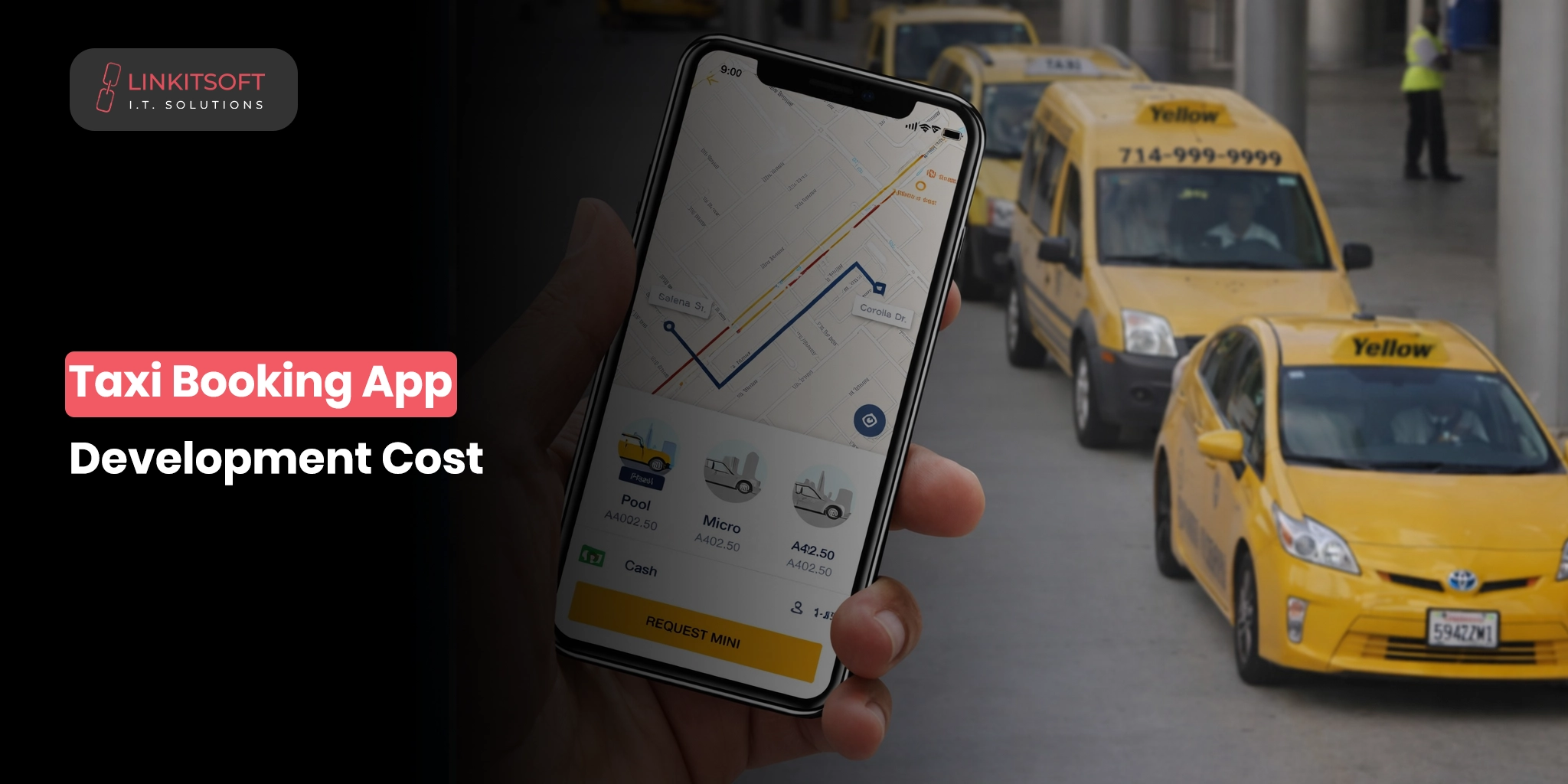
The ride-hailing industry has evolved from a disruptive concept introduced by companies like Uber and Lyft into a core part of modern urban infrastructure. In 2026, taxi booking platforms aren’t experimental startups anymore. They are actually scalable digital mobility systems that are powered by live data and automation.
Their demand continues to rise as urban populations grow. According to the United Nations, over 56% of the global population now lives in cities. This increases the need for flexible and on-demand transportation solutions.
In this blog, we’re breaking down the costs for developing a taxi booking app. From factors to price breakdowns, all the info is included here.
Taxi App Development Cost Breakdown in 2026
Taxi app pricing varies primarily based on the backend sophistication and long-term scalability planning.
Basic MVP: $25,000 – $60,000
A Minimum Viable Product focuses strictly on validating market demand. Based on the data organizations gather, they improve their product. This version typically includes:
- Passenger and driver registration
- Ride booking and scheduling
- Basic fare estimation
- GPS tracking integration
- Secure payment gateway
- Simple admin dashboard
The architecture is usually monolithic, with limited automation and minimal analytics. The infrastructure is configured for moderate traffic. This makes it suitable for single-city launches or early-stage startups.
Mid-Level App: $60,000 – $150,000
A mid-tier platform introduces enhanced user experience and operational efficiency features. Beyond core ride functionality, it may include:
- Real-time ride analytics
- Driver ratings and performance tracking
- Multiple payment options (wallets, cards, digital payments)
- Basic surge pricing logic
- Improved UI/UX design
- Automated ride allocation
The backend is typically more modular, supporting better scalability and performance under higher traffic loads. This tier is common for businesses expanding across multiple cities or targeting competitive urban markets.
Advanced Ride-Hailing Platform: $150,000 – $350,000+
Enterprise-grade systems are built for scale, automation, and long-term operational efficiency. These platforms may include:
- AI dynamic pricing
- Fleet optimization algorithms
- Predictive demand analytics
- Multi-language and multi-currency support
- Corporate ride management systems
- Advanced fraud detection
- Scalable cloud-native architecture
At this level, development often involves microservices architecture and strong data engineering capabilities. These platforms are designed for national or international expansion. They also require ongoing DevOps and monitoring systems.
Cost by Development Region
The development region significantly impacts overall cost due to differences in labor rates, regulatory standards, and operational overhead.
| Region | Average Hourly Rate |
| North America | $90 – $180 |
| Europe | $60 – $140 |
| Asia | $25 – $70 |
North American teams generally command premium rates due to strong compliance expertise. This region is often preferred for projects requiring strict regulatory adherence or complex integrations.
European development teams typically offer a balance between cost and quality. Western Europe tends toward higher pricing, while Eastern Europe provides competitive technical expertise at moderate rates.
Asian development firms remain the most affordable option. Many agencies in this region deliver high-quality builds at significantly lower rates.
Cost Based on Team Structure
Beyond geography, the structure of the development team plays a critical role in total investment and long-term operational ease.
In-House Team
Building an internal team provides maximum control over product vision, roadmap, and data ownership. However, this approach carries the highest financial commitment. Costs extend beyond developer salaries to include things like:
- Recruitment
- Benefits
- Infrastructure
- Office space
- Management overhead
- Long-term retention planning
While expensive, it can be strategic for companies planning continuous feature innovation.
Freelancers
Freelancers offer lower costs and flexibility for small builds or prototype development. However, ride-hailing platforms require tight coordination between all teams. Relying solely on freelancers can introduce risks in consistency and long-term scalability.
Offshore Development Agency
Outsourcing your project to agencies that provide structured workflows and predictable timelines is another great idea. While more expensive than freelancers, they eliminate the overhead of building a full in-house team. This model is often the most balanced option for businesses seeking professional execution without permanent staffing commitments. which is why many businesses hire taxi app developers through such agencies to manage complex features and maintain consistent quality.
What Factors Influence Taxi App Development Costs?
There are several factors that significantly affect the final budget of your taxi booking app. By understanding them, you can optimize your budget.
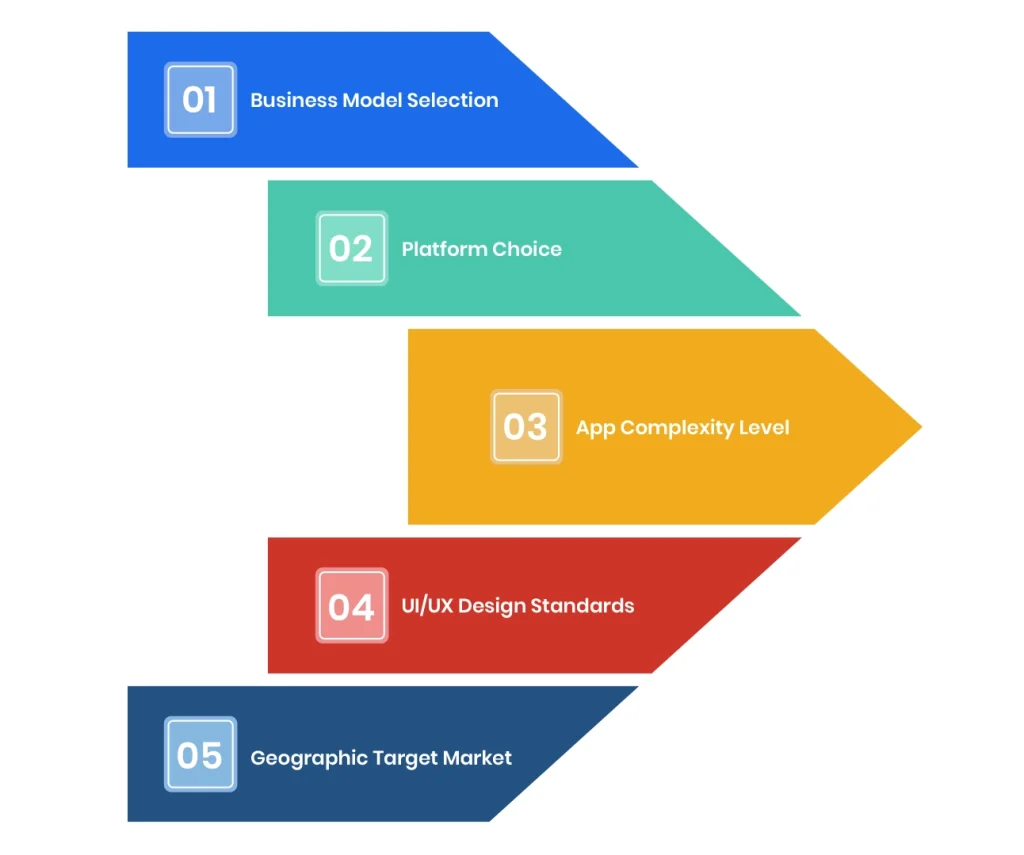
Business Model Selection
The business model defines how your platform operates and earns revenue, and it significantly affects development complexity.
An aggregator model, similar to platforms like Uber, connects independent drivers with riders and requires real-time matching algorithms and dynamic dispatch logic.
A dedicated fleet model, on the other hand, manages company-owned vehicles, which introduces scheduling systems and maintenance tracking modules.
Hybrid platforms combine both approaches and are the most technically demanding but also the most scalable.
Platform Choice
Platform decisions directly affect both initial and long-term costs. Native apps built separately for iOS and Android deliver superior performance and customization. At the same time, they require separate development cycles.
Cross-platform frameworks reduce development time by sharing a codebase. However, they sometimes limit advanced device integrations. Most taxi platforms also require a web-based admin dashboard. It can add another development layer, but is essential for managing operations.
App Complexity Level
App complexity is one of the strongest cost determinants. A simple MVP includes only essential booking and payment features.
Mid-level platforms add analytics and scheduling capabilities.
Enterprise-grade systems incorporate predictive dispatching and large-scale cloud infrastructure. Each level requires more backend logic and testing time.
UI/UX Design Standards
User expectations for interface quality have risen dramatically. Modern ride-hailing apps must deliver real-time responsiveness and visually clear map interactions.
Advanced interface requirements often include accessibility compliance and contextual recommendations. Designing such experiences requires extensive prototyping and testing.
Geographic Target Market
The region where the app will operate also affects the cost. Launching in multiple countries requires localization and compliance with local transportation laws.
Some markets demand government certifications or data-storage regulations. Most of the time, they require additional engineering work. Map services and language support can also vary widely across regions, adding complexity to development.
What is the Impact of The Technology Stack on Development Cost
The technology stack you choose directly affects not only initial development expenses but also long-term scalability and maintenance.
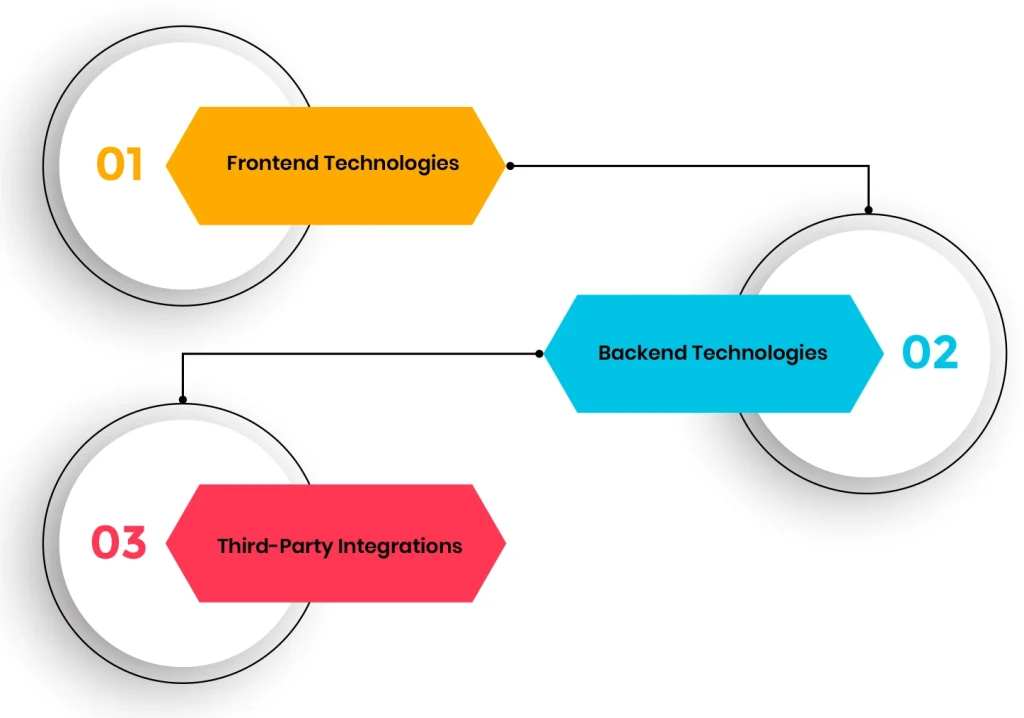
Frontend Technologies
Frontend development determines how the app performs for passengers and drivers. Since taxi apps rely on real-time tracking and smooth map rendering, performance is critical.
There are two main approaches:
- Native development (iOS and Android separately)
- Higher development cost
- Better performance and smoother user experience
- Ideal for large-scale platforms
- Cross-platform development (single codebase)
- Lower initial cost
- Faster development timeline
- Suitable for MVPs and budget-conscious launches
The decision usually depends on budget, time-to-market goals, and how performance-intensive the app will be.
Backend Technologies
The backend manages ride allocation, payments, user data, and notifications. Its structure determines how well the platform handles increasing users and ride volume.
- Monolithic architecture
- Lower initial development cost
- Simpler to build and deploy
- Harder to scale as traffic grows
- Microservices architecture
- Higher upfront cost
- Easier to scale individual features
- Better suited for rapid expansion
For businesses planning long-term growth, investing in scalable backend infrastructure early can reduce future rebuilding costs.
Third-Party Integrations
Taxi apps rely on external services to speed up development. However, these integrations add recurring operational costs.
Common integrations include:
- Payment gateways for secure transactions (transaction fees apply)
- Map and GPS services for navigation and route tracking (usage-based pricing)
- SMS and notification services for ride updates
- Cloud hosting platforms for data storage and server management
While these services reduce development complexity, their ongoing fees must be included in overall budget planning.
What are the Hidden Costs to Consider in Taxi App Development?
Although the main factors that affect app development costs for taxi apps are mentioned above, businesses still need to be vigilant. This is because unexpected costs may appear if not prepared for in advance.
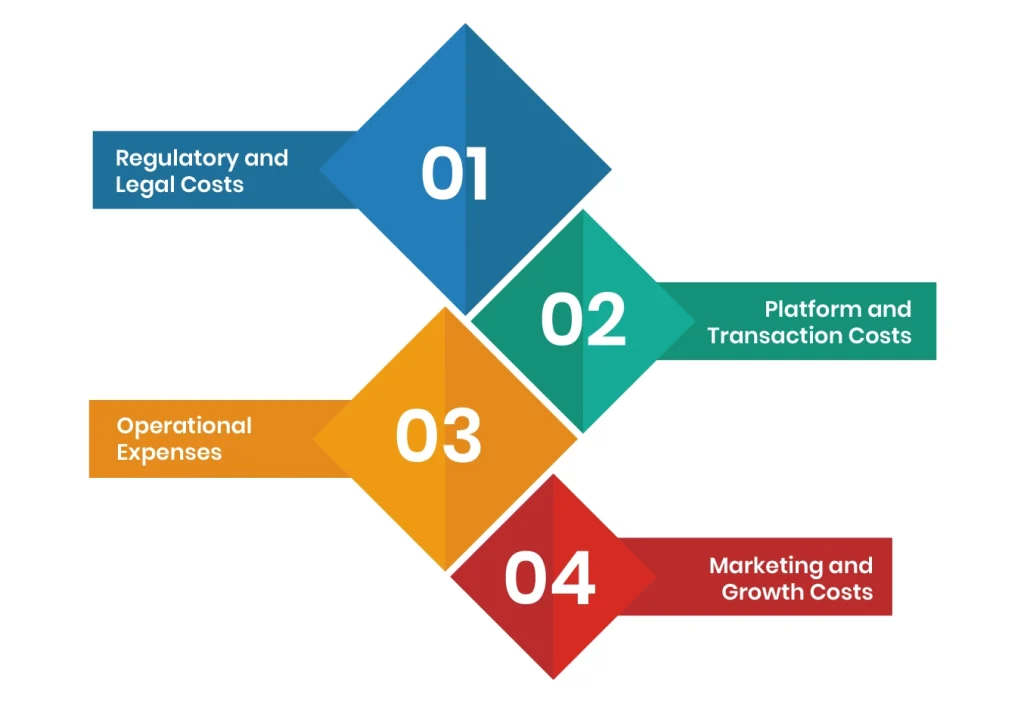
Regulatory and Legal Costs
Taxi platforms must comply with local laws, licensing, and insurance requirements. These needs can vary by region. These compliance needs often create ongoing legal and operational expenses that impact overall profitability.
Platform and Transaction Costs
Payment gateways charge fees on every transaction, and app stores take a commission on in-app payments. Combined together, these recurring costs can significantly reduce revenue if not planned for.
Operational Expenses
Running a taxi app requires dedicated customer support and infrastructure management. As user volume grows, server scaling and maintenance can add substantial recurring expenses.
Marketing and Growth Costs
Attracting riders and drivers requires consistent marketing investment. This includes digital ads and referral programs. Without a clear budget, user acquisition and growth can pause despite a functional app.
Conclusion
Taxi booking apps continue to represent a powerful business opportunity in 2026 because they sit at the intersection of urbanization and on-demand consumer behavior.
The demand for flexible transportation solutions is increasing worldwide, and technological advancements are making platforms more intelligent than ever before.
However, success in this market depends on more than simply launching an app. Companies must align development budgets with long-term scalability. This way, they will ensure that the infrastructure can handle growth without constant rebuilding.