
Digital payments have become a normal part of our daily lives, and eWallet apps are right at the center of this. They let users store money digitally and make payments wherever they want, instantly. People in this era are able to manage their transactions without needing physical cash or cards.
From buying coffee to sending money to friends, eWallets have made financial interactions faster and more convenient. At the same time, users now expect these apps to be even more secure and always available.
That growing demand has made eWallet development an important space in fintech. But building one involves handling scalability and compliance carefully from the very beginning.
In this well-researched guide, we’ll go through what it takes to build a great eWallet app and the essential things that you should consider before getting started.
What are eWallet apps?
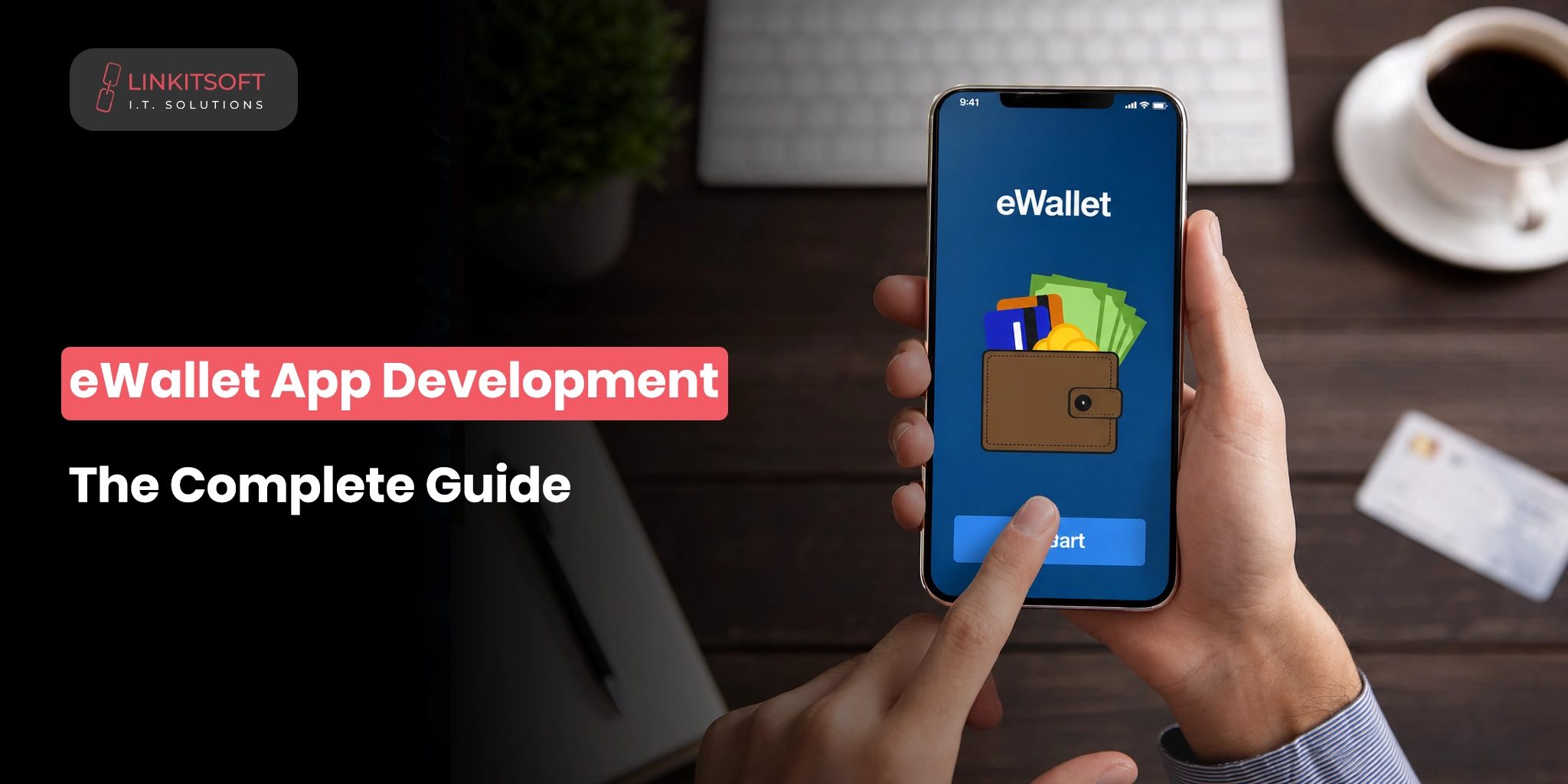
An eWallet app is basically a digital payment solution that allows users to carefully and securely store and manage their financial information (and their money) in one protected mobile app. It functions as a virtual version of a traditional wallet, but with added convenience and integration capabilities.
Instead of carrying physical cash or cards, users can securely store details such as debit and credit cards and, in some cases, even cryptocurrencies within the app. This information is then accessible through a smartphone, which obviously enables quick and seamless transactions anytime and literally anywhere. All a user needs to have is a Wi-Fi connection.
With eWallets, users can perform everyday financial activities, such as:
- Making purchases
- Transferring money to friends and family
- Paying bills
And since they are available on mobile phones, everything happens smoothly through just a few taps! The goal is to simplify transactions while making sure that users don’t have to rely much on physical payment methods.
Some prominent examples are Cash App, PayPal, Google Wallet, and Apple Pay. They have played an important role in popularizing digital payments.
Since they’re popularization, the eWallet app adoption continues to grow rapidly. The global amount of digital wallet users is projected to increase from 4.5 billion in 2025 to over 6 billion by 2030. That’s a 33% increase over the next five years!
What Are The Benefits Of Having eWallet Apps?
Building a great eWallet app isn’t just about enabling easier and quicker payments. It’s about creating a secure and user-friendly experience that people can trust. Let’s check out the other benefits of having eWallet apps:
- Enhanced Convenience: Users can make payments and transfer funds quickly and easily. They can manage their finances anytime and anywhere. It’s all directly from their smartphones.
- Security Assurance: FinTech apps have powerful encryption and biometric authentication. They even have real-time fraud detection. This way, they provide top-tier security to protect sensitive financial data.
- Cross-Border Transactions: eWallets support international payments and currency conversion. This makes it so much more ideal for global users and businesses. No more worrying about international payments.
- Faster Transfers: Instant payments and transfers mean no more waiting in lines. Users don’t have to deal with the delays involved in manual efforts anymore. This makes eWallets perfect for today’s era.
- Cost-Effective: These apps have lower transaction fees. They eliminate the need for physical infrastructure. Additionally, you don’t have to go through the whole effort of going to a bank.
These benefits highlight how eWallet apps can improve users’ financial lives. Businesses also benefit from developing eWallet apps, such as increased customer experience and loyalty, higher conversion rates, data and analytics to gather, and more.
What are the Types of eWallet Apps?
eWallet apps are generally categorized based on how funds can be stored and used across different platforms. Each type serves a different business model and use case. Let’s explore them so that we are able to understand them better:
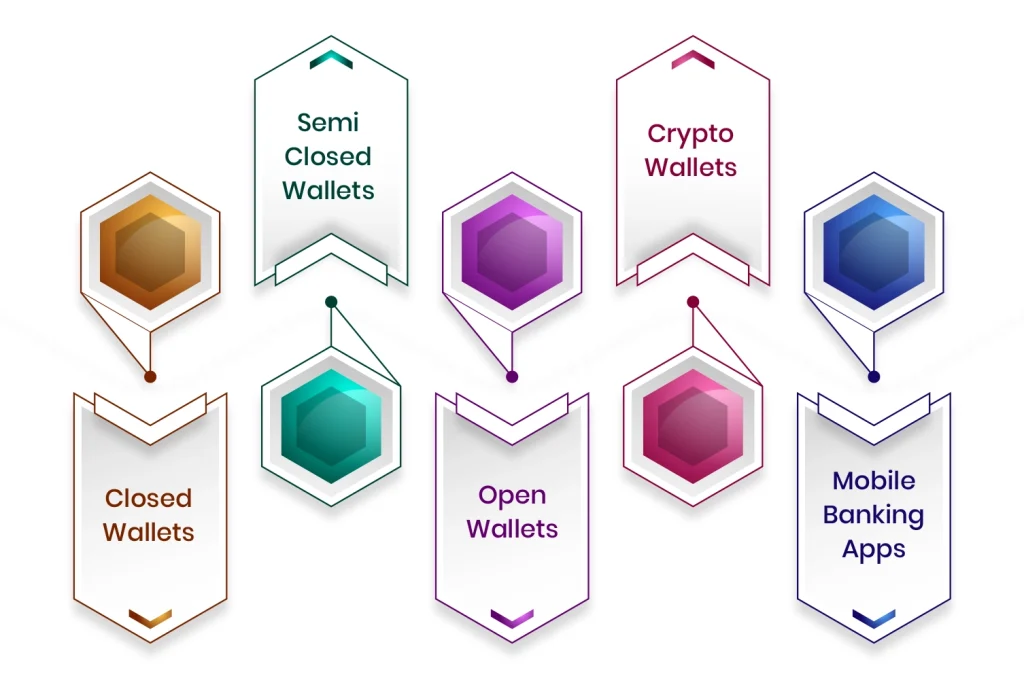
Closed Wallets
Closed wallets are issued only by a specific company and can only be used within that ecosystem. Users can add money and use it exclusively for purchases from the same provider. However, closed wallet users cannot transfer funds to external merchants or bank accounts.
Semi-Closed Wallets
Semi-closed wallets allow transactions with a pre-set network of merchants. Users of this type can store funds and make payments within this ecosystem. Yet, they can’t withdraw cash or transfer money to bank accounts.
Open Wallets
Open wallets offer the highest level of flexibility. They are usually linked to bank accounts or cards and allow users to make payments and transfer funds. They can also use this to withdraw money. They can be used across both online and offline merchants.
Crypto Wallets
Crypto wallets are something else… They are designed for storing and managing digital currencies such as Bitcoin and Ethereum. They use private keys to secure their transactions. Additionally, Crypto wallets can be either software-based (online) or hardware-based (offline).
Mobile Banking Apps
Mobile banking apps are full-scale financial platforms developed by banks and financial institutions. They go beyond payments and include services like loans and investments alongside other regular services like account management and transferring money.
What are the features you need in an eWallet?
An eWallet app is only as strong as the features that it offers. While the base idea is simple… the real value comes from how smoothly and securely those transactions are handled, along with the uniqueness and value that the app offers.
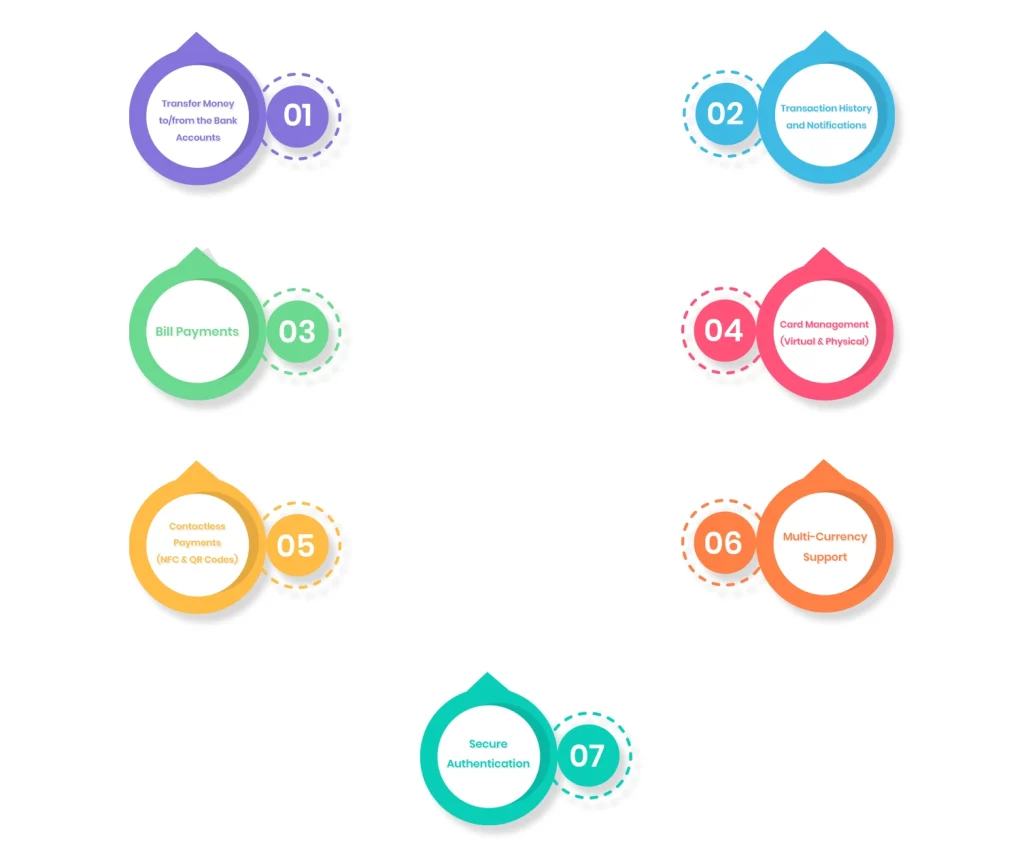
Transfer Money to/from the Bank Accounts
An eWallet app must necessarily support fast and secure money transfers as its most main purpose. Users should be able to send and receive funds using simple identifiers like:
- Account numbers
- Phone numbers
- Linked IDs
- IBANs
Transaction History and Notifications
A clear transaction history is essential for transparency and trust. Users should be able to track all incoming and outgoing payments in real time. Notifications further enhance this by providing instant updates for every transaction. This allows users to stay updated and in control of their activities.
Bill Payments
Modern eWallets often include bill payment functions for even the most basic utilities, such as:
- Electricity
- Gas
- Water
Integrating secure third-party payment gateways allows users to pay bills directly within the app. This simple and secure convenience removes the need for separate platforms or physical payments.
Card Management (Virtual & Physical)
Users should be able to link and monitor their credit or debit cards that are within the app. This involves:
- Viewing card details
- Managing spending
- Securely adding funds
Strong security standards (such as PCI compliance) are critical here to protect sensitive financial data.
Contactless Payments (NFC & QR Codes)
Contactless payments are now a standard expectation. By using technologies like NFC and QR codes, users can make quick in-store payments without physical cash or cards. This feature significantly improves convenience and aligns with modern retail experiences.
Multi-Currency Support
Multi-Currency Support allows businesses to quickly transfer money to other countries in their relevant currencies. PayPal is one of the most prominent eWallet apps currently doing this.
In fact, PayPal is so trusted that 36% of North American retailers were already accepting PayPal as a payment method in December 2018. Let’s take a look at some of PayPal’s stats today as an example here…
- In 2025, PayPal had 439 million users across several countries.
- On that platform, users can hold money in over 25 currencies and withdraw money in 56 currencies.
- They can also receive money in 100+ currencies.
Secure Authentication
Security is the foundation of any eWallet; without it, an eWallet app can not survive. The app should include strong authentication methods such as:
- Biometrics (fingerprint or face ID)
- OTP verification
- Two-factor authentication (2FA)
This helps in making sure only authorized users access accounts and perform transactions.
How do you implement strong security in eWallet app development?
A study has revealed that over 50% of eWallet apps are susceptible to fraud and data theft. These are the apps that take inadequate security measures. Since these apps handle sensitive financial data, a strong security framework is essential for protecting users and building trust.
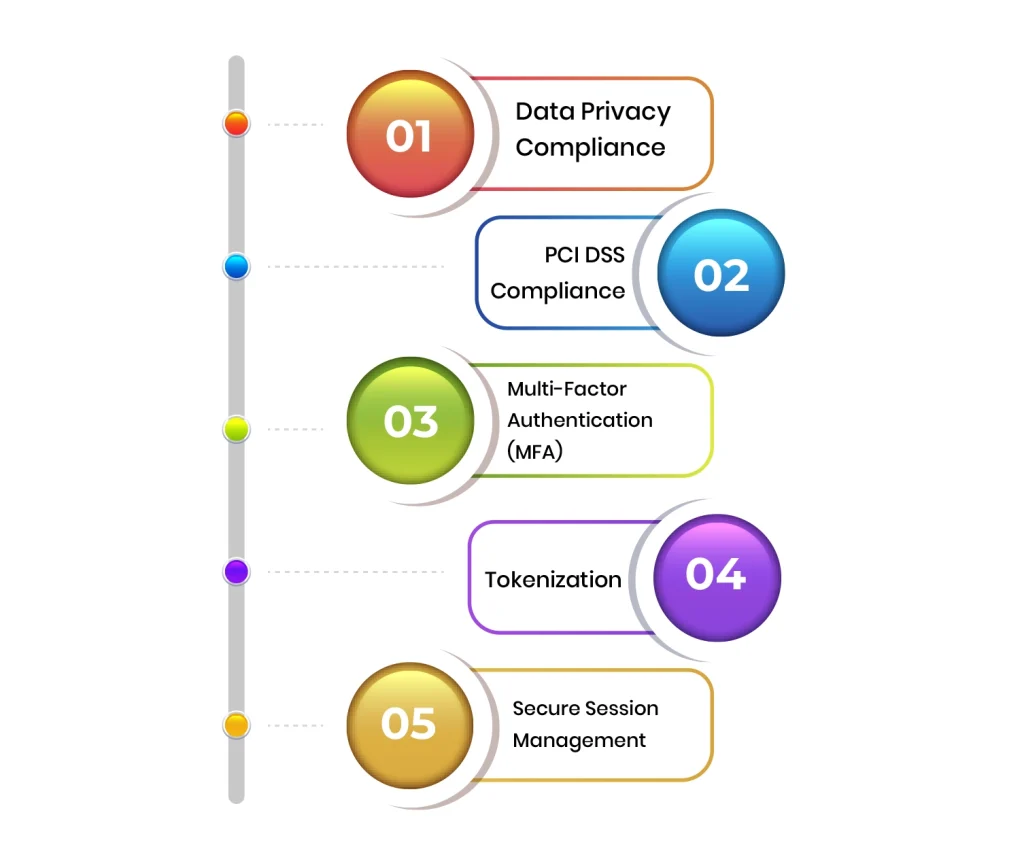
Data Privacy Compliance
An eWallet app must comply with regulations such as GDPR and CCPA. These frameworks ensure that user data is collected and processed responsibly. Beyond legal compliance, it also strengthens user trust by demonstrating a commitment to privacy.
PCI DSS Compliance
For handling card-related data, adherence to PCI DSS (Payment Card Industry Data Security Standard) is essential. It represents security controls that help protect cardholder information from breaches and unauthorized access.
Multi-Factor Authentication (MFA)
MFA easily adds an extra layer of security by strictly requiring users to verify their identity through several kinds of factors, such as:
- Passwords
- Biometrics
- One-time passwords (OTP)
This significantly minimizes the risk of unauthorized account access.
Tokenization
Instead of storing sensitive financial data directly, tokenization replaces it with randomly generated tokens. Even if intercepted, these tokens are meaningless. They reduce the impact of potential data breaches.
Secure Session Management
Proper session handling helps prevent unauthorized access. Features like automatic logout, session expiration, and secure authentication flows ensure that user sessions remain protected at all times.
Conclusion
65%+ of adults in the U.S. say that they use a digital wallet at least once a month. That’s 3.4 billion monthly users across the globe. This shows how beneficial the eWallet app industry really is, and it’s still growing. With the right approach, eWallet app development can bring unmatched convenience and speed for users and allow businesses to grow.