Healthcare is changing with new and modern technology. It isn’t limited to hospital walls or periodic check-ups anymore, thankfully. It is steadily evolving into a continuously evolving experience. With the growing demand for live monitoring and proactive care, modern healthcare systems are shifting toward smarter frameworks.
This transformation is led by a new generation of digital solutions that allow intelligent decision-making and improved patient outcomes.
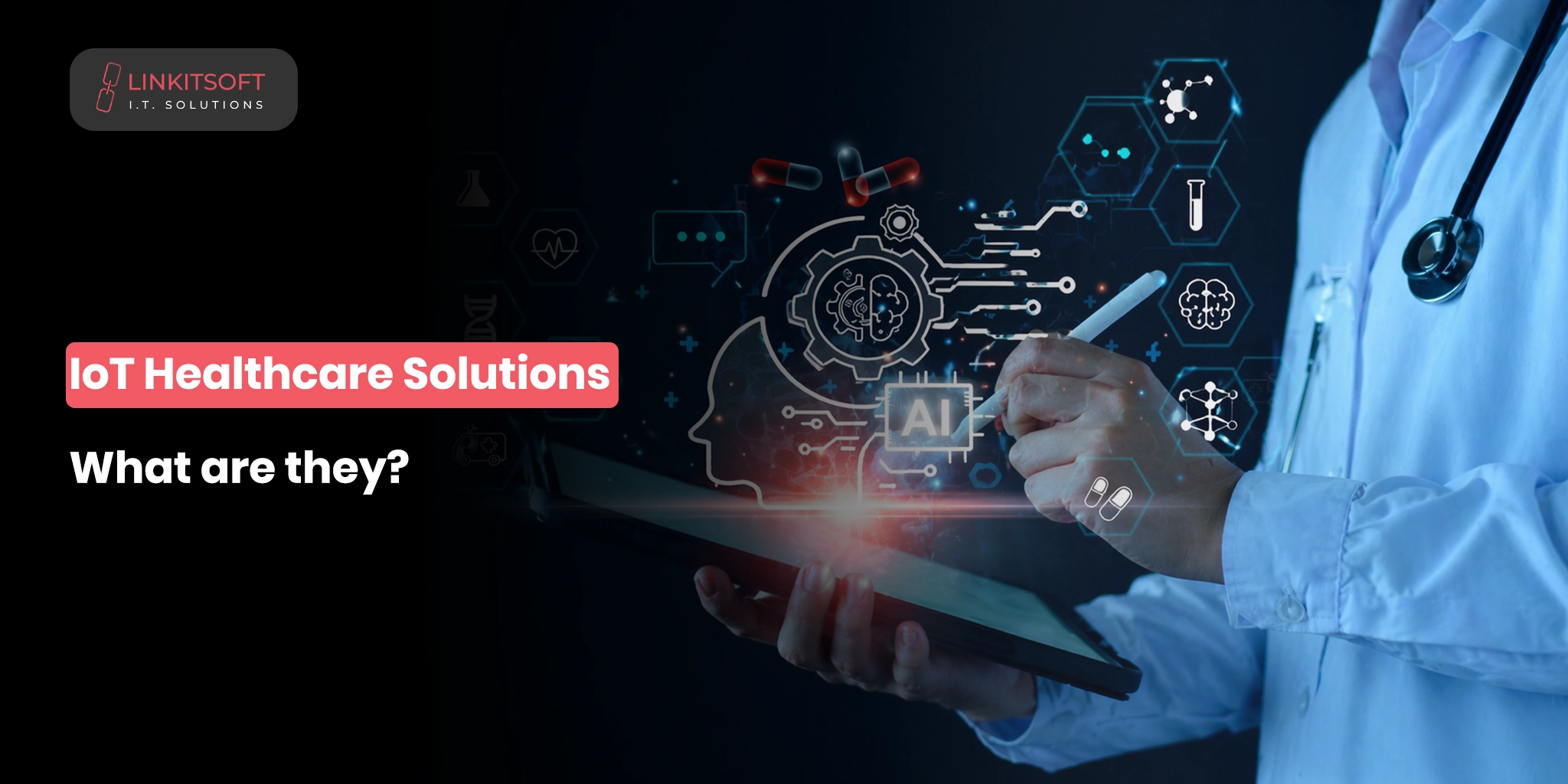
In this blog, we explore how connected technologies like IoT healthcare solutions are reshaping healthcare.
Understanding the Role of IoT in Healthcare
Connected healthcare systems are built on a network of smart medical devices, sensors, and digital platforms. These elements work together to gather and share health information in real time. Instead of relying only on occasional check-ups, these systems allow continuous tracking of a patient’s health conditions and vital signs.
Thanks to IoT, healthcare is actually leveling up because they are turning traditional medical equipment into intelligent tools that work with data. This way, it becomes more responsive and proactive. Doctors and caregivers are able to do a lot in this way, such as:
- Monitor patients remotely
- Provide instant care
- Detect changes early
- Make faster decisions
This shift towards IoT not only improves the quality of care but also helps reduce unnecessary hospital visits and overall treatment costs. Both of these are something that the majority of people dread, even the hospital and doctors get tired of concurrent patients who come and go all the time to no avail. This is why we actually need IoT in the healthcare sector, because it brings caregivers closer to patients.
How is IoT Used in Healthcare?
IoT healthcare solutions are also known as IoM, which is an abbreviation for Internet of Medical Things. In healthcare, it allows doctors and caregivers to have the flexibility of delivering instant, on-the-spot care in a comfortable way for both themselves and their patients. Here is how IoT is mainly used in healthcare:
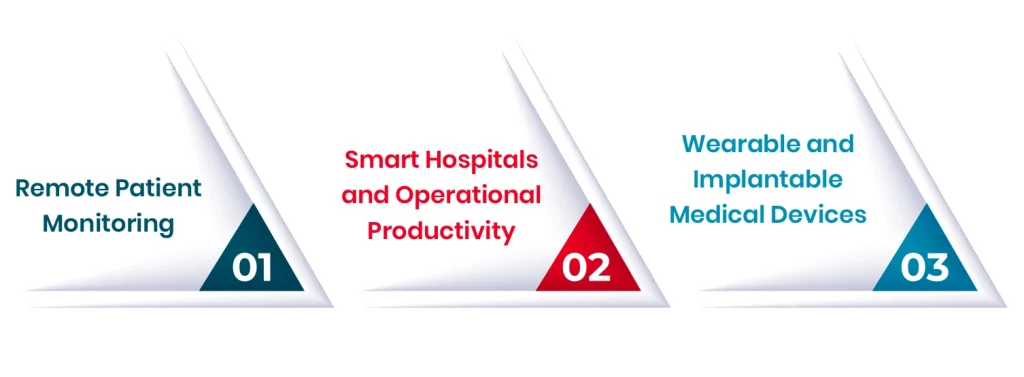
Remote Patient Monitoring
One of the most widely used applications is remote monitoring of patients through smart devices. Wearables and medical tools such as:
- Fitness trackers
- Blood pressure monitors
- Glucose meters
- Oxygen sensors
continuously capture important health data like heart rate and oxygen levels. This information is transmitted to healthcare providers in real time, allowing them to monitor patients without requiring frequent hospital visits.
It also allows early detection of health issues, helping doctors respond quickly and prevent complications.
Smart Hospitals and Operational Productivity
Modern hospitals are becoming smoother in their services with the help of connected systems that track patients, medical staff, and equipment in real time. This is very helpful for all parties because it improves coordination and reduces delays. The IoT technology also ensures that critical resources are available when they are needed.
In addition, environmental monitoring devices help maintain safe conditions. They do this by checking air quality, temperature, and hygiene levels, supporting infection control and overall patient safety.
Wearable and Implantable Medical Devices
Advanced wearable and implantable devices are playing a major role in personalized healthcare.
- Smartwatches
- Insulin pumps
- Cardiac monitors
And other similar technologies continuously collect data directly from the body. Some devices can even adjust treatment automatically based on real-time readings. This constant flow of health information supports better management of chronic conditions. This way, hospitals are able to provide more patient-specific care.
What are some examples of IoT Healthcare Solutions?
Below, we have mentioned some of the most helpful and significant ways that IoT healthcare solutions are making a difference. We’ll see the examples to understand the effectiveness of IoMT.
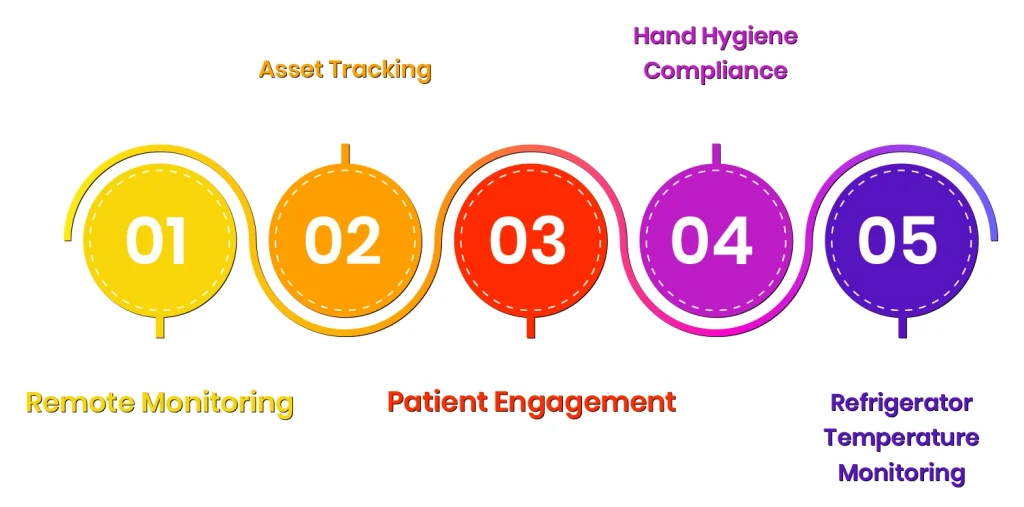
Remote Monitoring
Remote monitoring solutions are great because they allow healthcare providers to track patients’ health conditions outside traditional clinical settings. Using connected devices like wearable sensors, glucose monitors, and heart rate trackers, vital signs are continuously collected and shared in real time. This helps doctors observe patient conditions remotely.
It’s also very good because they can detect early warning signs and provide timely care without requiring frequent hospital visits.
Asset Tracking
In healthcare facilities, keeping track of medical equipment is critical, and everyone isn’t always on the same page. Asset tracking systems via IoT use sensors and tags to monitor the location and usage of many devices. This can include wheelchairs and infusion pumps.
This reduces time wasted searching for equipment, especially in critical conditions. This improves operational processes and workflows because hospitals are able to provide timely care. It also helps make sure that essential tools are always available when needed.
Patient Engagement
Connected healthcare solutions also help improve patient involvement in their own care. Many patients don’t even like people like doctors constantly roaming around them. Through mobile apps and smart devices, patients can access their own health data. Instead of being clueless because of the lack of education or awareness, they are actually on the same page about their health.
They are also able to receive reminders for medications and communicate with healthcare providers more easily. This constant connection encourages better adherence to treatment plans and supports healthier lifestyle choices.
Hand Hygiene Compliance
This might seem like a small thing, but those who work in healthcare know that hand hygiene matters a lot. In hospitals, maintaining hygiene is essential for preventing infections. IoT systems can monitor handwashing practices by healthcare staff using smart sensors and wearable devices.
These systems track compliance and provide feedback, ensuring proper hygiene standards are followed consistently to reduce the risk of hospital-acquired infections.
Refrigerator Temperature Monitoring
Many medicines, vaccines, and biological samples require strict temperature control. IoT sensors placed in medical refrigerators continuously monitor temperature levels and send alerts. They do that if conditions go outside safe ranges.
Some medicines always need to be set to certain temperatures to maintain their temperatures. This helps protect sensitive medical supplies and ensures their effectiveness is not compromised.
What are the Best Practices to Implement IoT in Healthcare?
As a hospital, your staff can’t just implement a random IoT healthcare solution and go by your day. The implementation is critical and needs to be done properly to ensure excellent change.
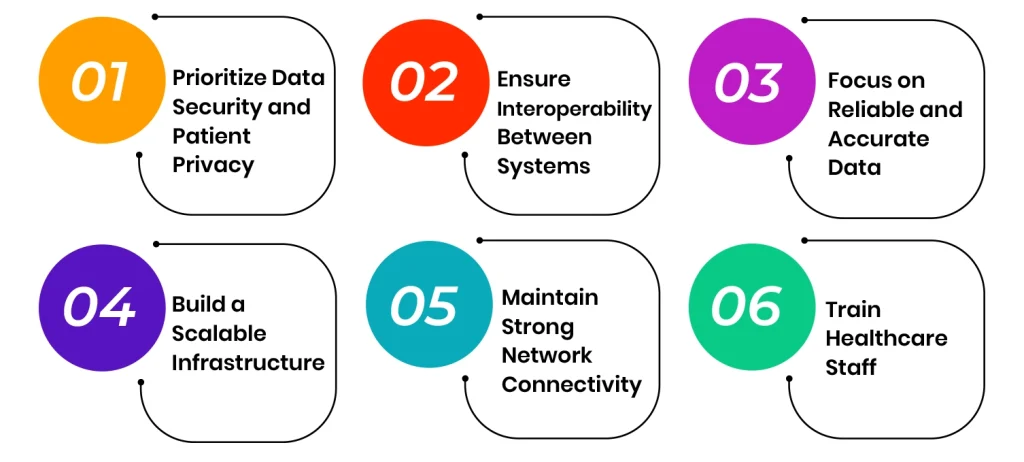
Prioritize Data Security and Patient Privacy
Healthcare data is highly sensitive, so security must be the foundation of any IoT implementation. Strong encryption and strict access controls are essential to protect patient information.
You also need to make sure there is good Compliance with healthcare data regulations to maintain trust and prevent unauthorized access.
Ensure Interoperability Between Systems
IoT solutions in healthcare should be able to communicate smoothly with existing hospital systems and electronic health records. This should also include other medical technologies.
Choosing standardized protocols and compatible devices helps avoid data silos and ensures that information flows seamlessly across platforms for better clinical decisions.
Focus on Reliable and Accurate Data
The effectiveness of IoT in healthcare depends on the quality of data being collected. Devices should be regularly tested and maintained to ensure accuracy.
Reliable data helps healthcare professionals make correct diagnoses and timely decisions without errors caused by faulty readings.
Build a Scalable Infrastructure
Healthcare environments grow and evolve all the time. This is why IoT systems should be designed to scale easily. A flexible infrastructure allows new devices and data streams to be added without disrupting existing operations. This is why, mostly, cloud systems are used to support this scalability.
Maintain Strong Network Connectivity
Since IoT devices rely on real-time data transmission, stable and high-speed connectivity is crucial. A strong network ensures uninterrupted communication between devices and healthcare systems.
Without a doubt, you can understand that this is especially true in critical care situations where delays can impact patient outcomes.
Train Healthcare Staff
Even the most advanced technology is generally only as effective as the people using it. Proper training ensures that doctors and administrative staff understand how to operate IoT systems. This should also include the nurses so that they know how to interpret data correctly and respond appropriately to alerts and insights.
Conclusion
Healthcare has a lot to do with awareness and connection. As systems grow more intelligent and responsive, the focus is steadily shifting toward preventing issues rather than only reacting to them. This is where IoT healthcare solutions make a difference in the background. Healthcare businesses should start using them to support medical professionals with better visibility and faster access to meaningful information.